In the heart of Findon, South Australia, patients with unique health challenges often require more than general rehabilitation. Physio Findon clinics are increasingly catering to individuals with specialised physiotherapy needs, ranging from neurological rehabilitation and chronic pain management to post-operative recovery and age-specific care. Understanding how to approach these specialised therapies can make a crucial difference in treatment outcomes.
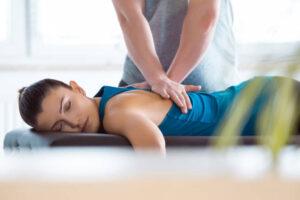
This article explores key strategies to effectively manage specialised physiotherapy requirements and how local residents can access tailored care through Findon’s growing physiotherapy network.
Understanding Specialised Physiotherapy
Specialised physiotherapy goes beyond traditional musculoskeletal treatments. It targets complex or specific health conditions that demand advanced skills, targeted interventions, and multidisciplinary collaboration. Common examples include:
- Neurological rehabilitation (e.g. after stroke, multiple sclerosis, or Parkinson’s disease)
- Post-surgical recovery (especially orthopaedic, spinal, or joint surgeries)
- Geriatric physiotherapy tailored for age-related mobility or balance issues
- Paediatric physiotherapy for developmental or congenital conditions
- Women’s health physiotherapy addressing pregnancy or pelvic floor disorders
In physio Findon clinics, specialists often use evidence-based frameworks and high-level diagnostics to craft programs that respond to a patient’s specific functional goals.
Initial Assessment: Getting It Right from the Start
Managing specialised physiotherapy needs begins with a detailed and holistic assessment. This is not just about pinpointing the physical impairment, but also about understanding the individual’s daily life, medical history, psychological state, and environmental factors.
A thorough assessment in Findon often involves:
- Functional movement analysis
- Neurological screenings
- Strength and flexibility evaluations
- Patient-reported outcome measures
Clinics like physio Findon often use this data to design realistic and measurable goals. Importantly, they also involve the patient in the goal-setting process to ensure therapy is meaningful and motivational.
Personalised Programs: One Size Does Not Fit All
Standard treatment protocols often fall short when it comes to specialised needs. Instead, programs must be tailored. In Findon, many physiotherapists integrate interdisciplinary approaches—sometimes working alongside occupational therapists, podiatrists, or speech pathologists.
Personalisation can include:
- Adaptive exercise regimens based on current capability
- Assistive device training (e.g. walkers, orthotics)
- Pain neuroscience education for chronic conditions
- Virtual rehabilitation tools or telehealth support
A typical physio Findon plan might adjust over time, with regular reviews to track progress and pivot when necessary. For example, a stroke patient may start with passive movements and progress to resistance training or community reintegration activities.
Leveraging Local Resources and Community Support
Findon’s physiotherapy landscape benefits from its integration with local health networks and community initiatives. Patients with specialised needs often gain more when their therapy connects with community support groups, home care services, and allied health networks.
Local programs in Findon may support:
- NDIS participants with long-term disabilities
- Veterans and aged-care clients through DVA-funded services
- Multilingual patients through culturally sensitive care
Physio Findon practices are typically well-versed in navigating these pathways and may assist patients in accessing rebates, coordinating care, and managing long-term planning.
Technology and Innovation in Specialised Care
Emerging technologies have made managing complex physiotherapy needs more precise and engaging. Many advanced clinics in Findon are equipped with:
- Real-time biofeedback systems
- Gait and balance training platforms
- Mobile apps for home-based progress tracking
- Electrical stimulation devices for muscle reactivation
These tools not only enhance therapy but also provide measurable data to support clinical decision-making. A clinic such as physio Findon may use these innovations to bridge the gap between clinic sessions and daily life, especially when mobility or distance limits frequent in-person visits.
Empowering Patients and Families
Lastly, managing specialised physiotherapy needs is not solely the therapist’s responsibility—it involves educating and empowering the patient and their family. Whether it’s teaching carers how to assist with exercises or showing family members how to support home modifications, collaboration is key.
In Findon, this education often includes:
- Hands-on training during therapy sessions
- Take-home resources tailored to the condition
- Community seminars or workshops for chronic care topics
A clinic like physio Findon takes pride in nurturing informed and confident patients—those who understand their conditions, can self-monitor, and play an active role in their recovery journey.
Conclusion
Specialised physiotherapy demands more than technical skill—it requires holistic thinking, patient-centred design, and a strong local support network. In Findon, South Australia, physiotherapists are rising to meet these challenges through advanced assessment methods, personalised care plans, and community integration. Whether recovering from surgery or managing a neurological condition, patients can find expert help and hope through experienced providers like physio Findon. With the right approach, even the most complex needs can be met with confidence and compassion.
 Before diving into treatment, it’s important to understand what a CCL tear in dogs entails. The CCL provides stability to the stifle joint (dog’s knee). When the ligament tears, the joint becomes unstable, leading to inflammation, pain, and difficulty bearing weight on the affected leg. This injury can happen gradually due to ligament degeneration or suddenly due to trauma.

 Facing criminal charges can undeniably be one of the most stressful and intimidating experiences of your life. Whether you are accused of theft, assault, drug offences, fraud, or more serious crimes, the consequences can include hefty fines, loss of employment, travel restrictions, and even imprisonment.
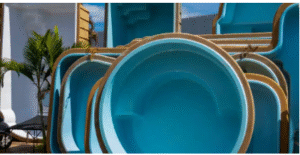 Fibreglass pools are known for their robust structure and long-lasting nature. Unlike concrete or vinyl, fibreglass offers a smooth, non-porous surface that resists algae growth and chemical absorption. Deep fibreglass pools in Adelaide are engineered with multiple layers, including a harsh gel coat that can withstand temperature fluctuations, ground movement, and daily wear — making them ideal for South Australia’s diverse conditions.
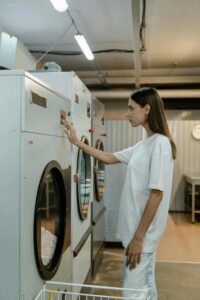 Additionally, many top-tier models come with smart technology integrations, allowing users to control and monitor their laundry from their smartphones. Investing in a machine that fits your household’s needs can lead to long-term savings and improved convenience.
 Outdoor furniture offers much more than just a place to sit. It significantly enhances the overall atmosphere of your outdoor space and allows you to enjoy the beauty of nature while relaxing comfortably. Whether you’re hosting a summer barbecue, having a quiet afternoon with a book, or spending time with family and friends, outdoor furniture plays a vital role in these experiences.

 Before purchasing an oven, it’s essential to understand the various types available. Each has its unique benefits and is suitable for different kitchen layouts and culinary preferences.
 In cities like Sydney, Brisbane, and Perth, where summer can linger well into autumn, mid-sandals provide long-term usability without compromising on comfort. Their modest heel height and ergonomic structure offer the support that many Australians seek, especially for all-day wear.