Blog

  • West Lakes Physio’ Building Injury-Resistant Muscles Through Physiotherapy in West Lakes, SA

    West Lakes Physio’ Building Injury-Resistant Muscles Through Physiotherapy in West Lakes, SA

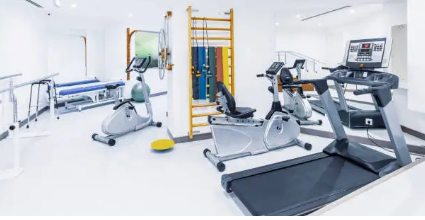
    Developing durable, injury-resistant muscles is a critical goal for athletes, fitness enthusiasts, and everyday active individuals in West Lakes, SA. Whether you’re returning from an injury or aiming to prevent one, structured rehabilitation and performance-based training play a vital role. West Lakes physio services focus on more than just recovery—they emphasise long-term tissue resilience, neuromuscular efficiency, and movement quality that help reduce re-injury risk and improve physical performance in daily life and sport.

    In this context, physiotherapy becomes a proactive strategy rather than a reactive treatment. By addressing muscle imbalances, correcting faulty biomechanics, and progressively loading tissues, physiotherapists help individuals build strength that is not only functional but also stress- and fatigue-resistant.

    Understanding Injury-Resistant Muscle Development in Physiotherapy

    Injury-resistant muscles are not simply stronger muscles—they are better conditioned, more coordinated, and capable of absorbing and distributing force efficiently. In West Lakes, SA, physiotherapy clinics commonly adopt a biopsychosocial and movement-based approach to muscle conditioning.

    A key principle is progressive overload, where muscles and connective tissues are gradually exposed to increasing levels of stress. This allows collagen remodelling in tendons and improved motor unit recruitment in muscles. Another essential factor is neuromuscular control, which ensures that muscles activate in the correct sequence during movement patterns such as running, jumping, or lifting.

    West Lakes physio practitioners often begin with detailed assessments that examine joint range of motion, strength asymmetries, and movement compensations. These assessments guide personalised rehabilitation programs designed to correct inefficiencies before they develop into chronic injuries.

    Importantly, injury resistance also depends on load tolerance—the ability of muscles and tendons to handle repetitive stress without breakdown. Physiotherapy builds this capacity through controlled strengthening, eccentric training, and functional movement integration.

    Key Physiotherapy Strategies in West Lakes, SA for Muscle Resilience

    In West Lakes, physiotherapy interventions for building resilient muscles are highly structured and evidence-based. One of the foundational strategies is resistance training tailored to the individual’s capacity and injury history. This includes both isometric exercises for early-stage stability and dynamic strengthening for later-stage functional performance.

    Another essential component is proprioceptive training, which enhances the body’s awareness of joint position and movement. This reduces the likelihood of awkward loading patterns that can lead to sprains, strains, and overuse injuries. Balance boards, single-leg exercises, and controlled instability drills are commonly used tools.

    Manual therapy techniques, such as soft-tissue mobilisation and joint articulation, are also used to restore optimal movement mechanics. These techniques complement exercise therapy by reducing stiffness and improving tissue extensibility.

    In the middle phase of rehabilitation, West Lakes physio programs often introduce sport-specific or task-specific drills. These drills replicate real-world demands, including directional changes, acceleration, deceleration, and lifting mechanics. This ensures that strength gains translate into practical movement efficiency.

    Load monitoring is another critical strategy. Physiotherapists carefully regulate training intensity and volume to prevent overload while still promoting adaptation. This balance is crucial for preventing setbacks and ensuring consistent progress.

    Exercise Progression and Neuromuscular Control for Long-Term Protection

    One of the most important aspects of injury prevention is proper exercise progression. Muscles and connective tissues adapt at different rates, and physiotherapy ensures that training respects these biological timelines. Early-stage rehabilitation typically focuses on low-load activation exercises, followed by mid-range strengthening, and eventually high-load functional movement.

    Neuromuscular control plays a major role in this progression. It refers to the nervous system’s ability to coordinate muscle activation efficiently during movement. Poor neuromuscular control often leads to compensatory patterns that increase stress on joints and soft tissues.

    To improve this, physiotherapy programs in West Lakes incorporate drills that challenge coordination under controlled conditions. Examples include single-leg stability exercises combined with upper-limb movement, resistance-band perturbations, and controlled landing mechanics.

    At this stage of development, West Lakes physio interventions also emphasise eccentric strengthening. Eccentric exercises—where muscles lengthen under load—are particularly effective for improving tendon resilience and reducing injury risk in high-impact activities.

    Recovery management is equally important. Adequate rest, sleep optimisation, and recovery modalities ensure that tissues repair effectively and adapt to training demands. Without sufficient recovery, even well-designed programs can lead to overload injuries.

    Integrating Physiotherapy into Long-Term Physical Health in West Lakes

    Sustainable muscle resilience is not achieved solely through short-term rehabilitation—it requires ongoing maintenance and adaptation. In West Lakes, SA, physiotherapy is increasingly being integrated into long-term health and performance strategies, even for individuals without current injuries.

    Regular reassessment allows physiotherapists to identify early signs of dysfunction before they escalate. This proactive approach ensures optimal movement quality and preserves strength gains over time.

    Community engagement in active lifestyles around West Lakes also supports this model, as individuals are encouraged to maintain consistent physical activity with proper guidance. Whether participating in recreational sports, gym training, or occupational activities, physiotherapy principles help ensure that the body remains robust under varied physical demands.

    Ultimately, injury-resistant muscles result from consistent training, intelligent load management, and precise movement education. Physiotherapy provides the framework for all three, ensuring that individuals not only recover from injury but also build a stronger, more resilient foundation for future activity.

  • Brake Specialists Adelaide’ Why Regular Brake Inspections Are Essential for Safe Driving

    Brake Specialists Adelaide’ Why Regular Brake Inspections Are Essential for Safe Driving

    Driving safely on Adelaide’s roads depends heavily on a properly functioning braking system. From navigating busy city intersections to travelling along South Australia’s major highways, your vehicle’s brakes play a critical role in protecting you, your passengers, and other road users. This is why many drivers rely on brake specialists to ensure their braking systems remain reliable and responsive. In a city like Adelaide, where traffic conditions range from urban streets to suburban roads to long stretches of highway, regular brake inspections are an essential part of responsible vehicle ownership.

    The Importance of Brake Maintenance in Adelaide

    Adelaide’s diverse driving environments can place varying levels of strain on a vehicle’s braking system. Stop-and-go traffic in the CBD, frequent braking in suburban neighbourhoods, and higher speeds on surrounding highways all contribute to gradual brake wear. Over time, brake pads thin out, rotors may become uneven, and brake fluid can degrade.

    Professional brake specialists understand these conditions and can properly identify early signs of wear before they become serious safety hazards. Routine inspections ensure that critical components, such as pads, rotors, callipers, and brake fluid, are functioning as intended. Addressing minor issues early can prevent costly repairs and reduce the risk of sudden brake failure.

    Common Brake Problems Drivers Experience

    Vehicle owners in Adelaide often encounter several common brake-related issues, especially when maintenance is delayed. One of the most frequent problems is worn brake pads. Brake pads naturally wear down with use, and if they are not replaced in time, they can damage the brake rotors. Drivers may notice squealing or grinding sounds when braking, which are clear warning signs that attention is needed.

    Another issue is warped or uneven rotors. Rotors can become distorted due to heat buildup from repeated braking, particularly during heavy traffic or downhill driving. This can seriously cause vibrations in the steering wheel when braking. Experienced brake specialists can diagnose this issue and recommend rotor resurfacing or replacement depending on the severity of the wear.

    Brake fluid degradation is another concern. Over time, brake fluid absorbs moisture, reducing its effectiveness and potentially causing corrosion within the braking system. Regular fluid checks and replacements are essential for maintaining optimal braking performance.

    Services Offered by Brake Specialists

    Brake specialists in Adelaide provide a wide range of services designed to maintain and restore the efficiency of your braking system. One of the most common services is brake pad replacement. High-quality brake pads ensure reliable stopping power and reduce wear on other components.

    Rotor machining or replacement is another important service. If rotors become uneven, specialists can machine them to restore a smooth surface. However, if they are too thin or damaged, replacement may be required for safety.

    Brake fluid flushing is also a routine service that helps maintain consistent hydraulic pressure throughout the braking system. Additionally, specialists often perform comprehensive brake inspections that include testing the callipers, hoses, and master cylinder.

    Qualified brake specialists use diagnostic tools and technical expertise to assess the condition of your entire braking system. This comprehensive approach ensures that every component works together to deliver safe and efficient stopping power.

    Why Local Expertise Matters

    Choosing a local brake specialist in Adelaide offers several advantages. Local technicians understand the driving patterns and environmental factors that affect vehicles in the region. For instance, Adelaide’s warm climate and occasional long-distance driving across South Australia can influence brake wear patterns.

    Local workshops also tend to offer faster service and personalised customer care. Many Adelaide-based automotive professionals build long-term relationships with their customers, providing consistent maintenance advice and tracking service history. This familiarity allows them to anticipate potential issues and recommend preventative maintenance before problems escalate.

    Signs You Should Visit a Brake Specialist

    Knowing when to seek professional help can prevent dangerous situations on the road. If your vehicle produces squealing, grinding, or clicking noises while braking, it is a clear indication that the braking system requires inspection. Reduced responsiveness, a spongy brake pedal, or the vehicle pulling to one side during braking are also warning signs.

    Dashboard warning lights significantly related to the braking system should never be ignored. These indicators are especially designed to alert drivers to potential safety issues. Promptly visiting experienced brake specialists can help diagnose the problem quickly and restore your vehicle’s safety.

    Long-Term Benefits of Regular Brake Inspections

    Routine brake maintenance provides several long-term advantages for Adelaide drivers. First and foremost, it improves safety by ensuring reliable stopping power under all driving conditions. Well-maintained brakes can significantly reduce stopping distances, especially during emergencies.

    Regular inspections also effectively help extend the lifespan of your braking components. Replacing brake pads at the appropriate time prevents damage to rotors and other expensive parts. This proactive approach effectively reduces overall maintenance costs and keeps your vehicle running efficiently.

    Additionally, vehicles with properly maintained brakes tend to retain their resale value better. Prospective buyers often look for service records that demonstrate consistent maintenance, including brake inspections and repairs.

    Keeping Adelaide Roads Safe

    Maintaining a dependable braking system is one of the most important responsibilities of any vehicle owner. With Adelaide’s mix of urban traffic, suburban commutes, and highway travel, brakes are heavily used daily. Regular inspections, timely repairs, and professional servicing ensure that your vehicle remains completely safe and reliable on the road.

    By trusting qualified brake specialists and scheduling routine brake maintenance, Adelaide drivers can protect themselves, their passengers, and everyone else sharing the road. A well-maintained braking system not only improves driving confidence but also contributes to safer roads across South Australia. 🚗🔧

  • Occupational Therapy Glenelg’ A Complete Guide to Local Assessment, Treatment, and Recovery Support’

    Occupational Therapy Glenelg’ A Complete Guide to Local Assessment, Treatment, and Recovery Support’

    Occupational therapy Glenelg is an essential healthcare service for individuals who need support to improve daily functioning, regain independence, or adapt to physical, cognitive, or emotional challenges. In the coastal suburb of Glenelg in South Australia, residents have access to a range of allied health professionals who provide tailored interventions for people of all ages. Whether recovering from injury, managing a disability, or supporting a child’s developmental needs, occupational therapy Glenelg services are designed to help clients participate fully in everyday life. This guide explains what to expect from local services, how therapy works, and why it plays a vital role in long-term wellbeing in the Glenelg community.

    What to Expect from Occupational Therapy Services in Glenelg

    Clients attending occupational therapy clinics in Glenelg typically begin with a comprehensive assessment. This may include evaluating mobility, self-care skills, work capacity, cognitive function, and environmental barriers. Therapists then create personalised treatment plans to improve independence and quality of life. In Glenelg, services are often delivered in clinic settings, at home, or within the community, depending on client needs. This flexibility ensures therapy is practical and relevant to real-life environments such as home routines or workplace demands.

    During sessions, clients may work on strengthening fine motor skills, improving coordination, or developing strategies for daily tasks like dressing, cooking, or writing. Family involvement is often encouraged to support progress outside of sessions.

    Accessing occupational therapy Glenelg providers often involves referral pathways through GPs or NDIS plans, making it easier for residents to connect with support.

    Common Conditions and Populations Supported in Glenelg

    Occupational therapists in Glenelg support a wide range of conditions across the lifespan, from paediatric developmental delays to age-related decline. Children may be referred for difficulties with handwriting, sensory processing, attention, or social participation. Early intervention in these cases can significantly improve learning and daily functioning outcomes. Adults may seek therapy following injuries such as fractures, strokes, or neurological conditions that affect independence at home or work. Therapists focus on restoring function and, when needed, adapting environments.

    Older adults in the Glenelg area also benefit significantly from occupational therapy, particularly those experiencing reduced mobility, arthritis, dementia, or recovery after hospitalisation. Interventions may include home modifications, assistive devices, and strategies to maintain safety and independence in daily living. Mental health is another key area, with therapists helping clients manage anxiety, depression, and stress-related functional difficulties through structured routines and coping strategies. The goal is always to enhance participation in meaningful activities regardless of physical or psychological barriers.

    In addition, occupational therapy plays a role in workplace rehabilitation, supporting individuals returning to employment after injury or illness. This may involve task modification, ergonomic assessments, or graded return-to-work programs. Overall, the services available in Glenelg are holistic, addressing both physical and environmental factors that influence daily performance.

    Accessing Occupational Therapy and NDIS Support in Glenelg

    For many residents, accessing occupational therapy Glenelg services through the National Disability Insurance Scheme (NDIS) provides structured funding for ongoing therapy and support. Participants may receive funding for assessments, intervention sessions, assistive technology, and home modifications. In some cases, referrals from general practitioners under a Chronic Disease Management plan can also help subsidise sessions through Medicare. This makes therapy more accessible to individuals who require long-term support without high out-of-pocket costs.

    Private health insurance may also cover part of occupational therapy services depending on the level of extras cover. Wait times in Glenelg are generally manageable, but can vary depending on clinic demand and therapist availability. Many providers offer flexible appointment options, including telehealth sessions, which have become increasingly popular for clients with mobility limitations or busy schedules.

    Glenelg’s proximity to Adelaide’s metropolitan health network means residents benefit from a strong referral system between hospitals, GPs, and allied health professionals. This integrated approach ensures continuity of care and better long-term outcomes for clients. Whether for short-term rehabilitation or ongoing developmental support, occupational therapy remains a vital part of community healthcare in the region.

    Conclusion

    Occupational therapy in Glenelg plays an important role in helping individuals regain independence and improve quality of life across all age groups. With access to skilled therapists, flexible delivery options, and funding pathways such as NDIS and Medicare, residents are well supported in addressing a wide range of physical, cognitive, and emotional challenges. Whether supporting a child’s development, assisting recovery after injury, or improving daily functioning in older age, local services provide practical, personalised care that makes a meaningful difference in everyday life.

  • Port Adelaide Physio’ Physiotherapy for Repetitive Strain Injury (RSI) Treatment and Prevention

    Port Adelaide Physio’ Physiotherapy for Repetitive Strain Injury (RSI) Treatment and Prevention

    Repetitive Strain Injury (RSI) is one of the most common work-related musculoskeletal conditions affecting office workers, tradies, and industrial employees in Port Adelaide, South Australia. It develops gradually due to repeated movements, prolonged static postures, or poor ergonomic habits, often leading to pain in the wrists, forearms, shoulders, neck, or upper back. Early intervention is essential to prevent long-term dysfunction and reduced work capacity. Access to a qualified Port Adelaide physio can make a significant difference in both recovery outcomes and long-term prevention strategies, especially in a busy industrial and commercial hub like Port Adelaide, where repetitive tasks are common across multiple industries.

    Physiotherapy for RSI focuses on identifying the root cause of strain rather than simply treating symptoms. A comprehensive assessment typically includes movement screening, posture evaluation, and workplace ergonomics analysis. Treatment may include manual therapy, graded exercise rehabilitation, soft-tissue release, and education on load management. In Port Adelaide, many individuals develop RSI from warehouse work, maritime roles, or prolonged computer use in administrative settings. A targeted physiotherapy approach helps restore normal tissue function, reduce inflammation, and improve movement efficiency, enabling individuals to return to work safely and confidently.

    Understanding Repetitive Strain Injury and Its Causes

    Repetitive Strain Injury is not a single condition but an umbrella term covering several overuse injuries affecting muscles, tendons, and nerves. Common examples include tennis elbow (lateral epicondylitis), carpal tunnel syndrome, and tendinopathies in the shoulder or wrist. These conditions often arise when small, repeated loads exceed the body’s ability to recover over time.

    In Port Adelaide’s workforce, RSI is frequently linked to repetitive lifting, assembly-line work, vibrating tools, or extended periods of typing without proper ergonomic setup. Poor workstation design—such as low monitor height, unsupported wrists, or awkward reaching—can accelerate the onset of symptoms. Lifestyle factors such as poor physical conditioning, inadequate rest breaks, and prior injuries can also increase the risk.

    Physiotherapy plays a crucial role in breaking this cycle. By addressing biomechanics, muscle imbalances, and movement patterns, treatment aims to restore optimal function and reduce repetitive stress on affected tissues. Education is equally important, as patients learn how to modify tasks, incorporate micro-breaks, and adjust posture throughout the day to prevent recurrence.

    Symptoms and Early Warning Signs of RSI

    Recognising RSI early is key to successful recovery. Initial symptoms are often mild and may include intermittent aching, stiffness, or tingling sensations in the affected area. As the condition progresses, individuals may experience persistent pain, weakness, reduced grip strength, and difficulty performing routine tasks such as lifting, typing, or gripping tools.

    A structured rehabilitation program guided by a Port Adelaide physio ensures these symptoms are addressed before they become chronic. Early-stage RSI is highly responsive to conservative treatment, but if left unmanaged, it can lead to long-term tendon degeneration and nerve irritation that is significantly harder to reverse.

    Physiotherapists also assess contributing factors such as shoulder control, neck posture, and scapular stability, as these regions often influence upper limb strain. A holistic approach ensures that the entire kinetic chain functions efficiently, rather than focusing solely on the site of pain.

    Physiotherapy Treatment Approaches for RSI

    Effective RSI management involves a combination of hands-on treatment and active rehabilitation. Manual therapy techniques such as deep tissue massage, joint mobilisation, and trigger point release help reduce muscle tension and improve circulation in affected tissues. These methods provide short-term pain relief and prepare the body for exercise-based rehabilitation.

    Exercise therapy is the cornerstone of long-term recovery. A structured program may include eccentric strengthening, motor control training, and progressive loading to rebuild tendon resilience. For example, wrist extensors or forearm flexors are gradually strengthened to tolerate daily work demands without irritation.

    Ergonomic retraining is another essential component. Patients are educated on optimal desk setup, tool-handling techniques, and posture-correction strategies to minimise repetitive stress. In industrial areas like Port Adelaide, physiotherapists may also conduct workplace assessments to identify hazardous movement patterns and recommend modifications.

    A consistent rehabilitation plan guided by a Port Adelaide physio ensures that recovery is not only symptom-based but also addresses the underlying mechanical issues contributing to RSI. This reduces the likelihood of recurrence and supports long-term occupational health.

    Preventing RSI in Everyday Work and Life

    Prevention is always more effective than treatment for repetitive strain injuries. Simple changes in daily habits can significantly reduce the risk of developing RSI. These include taking regular breaks from repetitive tasks, alternating movement patterns, and incorporating stretching or mobility exercises throughout the day.

    Workstation ergonomics should also be optimised. This includes maintaining neutral wrist positions, ensuring proper chair and monitor height, and keeping frequently used objects within easy reach. For manual workers, using proper lifting techniques and rotating tasks can help distribute physical load more evenly across the body.

    Strength and conditioning exercises outside of work also play a vital role. Building endurance in the forearms, shoulders, and core improves overall resilience against repetitive stress. Physiotherapists often design personalised programs that fit seamlessly into a patient’s lifestyle, ensuring long-term adherence.

    Ultimately, RSI prevention is about awareness and consistency. With professional guidance from a Port Adelaide physio, individuals can develop sustainable movement habits that protect against injury while maintaining productivity and comfort at work.

  • Custom Home Builder Adelaide’ Crafting Your Dream Home in South Australia

    Custom Home Builder Adelaide’ Crafting Your Dream Home in South Australia

    Building a home that perfectly suits your lifestyle, taste, and family needs is no small task. This is where a custom home builder in Adelaide comes in, offering tailored solutions that go beyond cookie-cutter designs. Unlike standard builders, a custom home builder works closely with clients to create homes that reflect their unique preferences while adhering to local regulations and climate-specific considerations in South Australia.

    Adelaide, known for its Mediterranean climate, coastal breezes, and distinctive suburban layouts, presents both opportunities and challenges for home construction. Local builders are uniquely positioned to address these factors by designing homes that maximise natural light, ventilation, and energy efficiency. Whether you are envisioning a contemporary city residence in North Adelaide or a spacious family home in the Hills, choosing the right custom home builder ensures that your investment is both beautiful and practical.

    Why Choose a Local Custom Home Builder in Adelaide?

    Working with a local custom home builder offers several advantages. First, familiarity with Adelaide’s building codes, zoning laws, and council requirements prevents costly delays and legal hurdles. Local builders are also adept at navigating neighbourhood-specific restrictions, heritage overlays, and environmental regulations, ensuring your home project remains compliant from start to finish.

    Second, local builders understand the South Australian climate. They can incorporate designs that minimise energy costs, such as north-facing living spaces to maximise winter sunlight, shading for summer heat, and efficient insulation. This climate-conscious approach not only improves comfort but also enhances long-term sustainability, aligning with Adelaide’s growing focus on eco-friendly living.

    Personalisation: Designing Homes That Fit Your Lifestyle

    One of the greatest benefits of hiring a custom home builder in Adelaide is the ability to personalise your home. Unlike pre-designed homes, a custom-built house lets you choose floor plans, materials, layouts, and finishes that suit your lifestyle. Families with young children may prioritise open-plan living spaces and safe backyard designs, while professionals might focus on home offices, smart home technology, and low-maintenance materials.

    Furthermore, a local builder can offer guidance on practical features suited to Adelaide living. For instance, homes near coastal areas may require corrosion-resistant materials, while properties in the Hills might benefit from designs that accommodate sloped terrain. These tailored solutions ensure your home is not only stylish but also functional for your location.

    The Building Process: Collaboration and Transparency

    Building a custom home in Adelaide involves close collaboration between the client and the builder. Reputable custom home builders provide detailed project timelines, transparent pricing, and regular updates throughout construction. From initial concept design to final inspection, clients are encouraged to provide input at every stage.

    Adelaide-based builders often have strong relationships with local suppliers, subcontractors, and tradespeople, which can streamline the building process and ensure high-quality workmanship. This network also enables them to source sustainable, locally available materials, keeping projects on budget while reducing environmental impact.

    Cost Considerations and Value

    While a custom home builder may seem more expensive than standard construction, the value often outweighs the cost. Custom homes are designed to meet your specific requirements, reducing the need for costly renovations or modifications later. Additionally, energy-efficient designs and high-quality materials can lower ongoing utility expenses, making the investment more economical over time.

    In Adelaide, where property values are steadily rising, a well-designed custom home can also offer significant resale value. Buyers increasingly appreciate homes that combine style, functionality, and sustainability—features that experienced local builders can integrate seamlessly.

    Finding the Right Builder in Adelaide

    Selecting the ideal custom home builder requires research, recommendations, and careful consideration. Start by reviewing local builders’ portfolios to assess design styles, construction quality, and client feedback. Visiting display homes or completed projects can provide insight into craftsmanship and attention to detail.

    It’s also important to discuss your budget, timeline, and specific requirements upfront. A transparent builder will offer realistic expectations and creative solutions tailored to your needs. In Adelaide, many builders offer free consultations to understand your vision and provide detailed proposals, making the selection process straightforward and informed.

    Conclusion

    A custom home in Adelaide is more than a structure—it’s a reflection of your lifestyle, preferences, and values. By choosing a local custom home builder, you gain the advantage of expert knowledge of South Australian regulations, climate considerations, and design trends. From personalised layouts to sustainable materials and transparent construction processes, a skilled builder transforms your dream home into a reality that is both functional and aesthetically pleasing.

    Investing in a custom home is an opportunity to create a space that truly fits your life while enhancing long-term value. For Adelaide residents seeking a home tailored to their needs, partnering with the right custom home builder ensures a seamless and rewarding building experience.

  • Stockinette Bags’ Essential Tools for Australian Farmers and Gardeners

    Stockinette Bags’ Essential Tools for Australian Farmers and Gardeners

    In Australia’s diverse agricultural landscape, stockinette bags have become a staple for farmers and gardeners alike. These versatile bags are widely used for storing, transporting, and protecting a variety of crops, from potatoes and onions to smaller produce like garlic and shallots. Beyond storage, stockinette bags also help maintain produce quality, reduce waste, and support sustainable farming practices. Whether on a commercial farm in New South Wales or in a backyard garden in Victoria, stockinette bags are proving indispensable to those seeking practical, eco-friendly solutions for their agricultural needs.

    What Are Stockinette Bags?

    Stockinette bags are made from lightweight, breathable knitted fabric, usually cotton or polyester, designed to hold produce securely while allowing air circulation. This ventilation is crucial for preventing moisture buildup, which can lead to mould or rot in vegetables and fruits. Available in various sizes and strengths, stockinette bags are ideal for both bulk storage and smaller-scale gardening. Their soft texture also protects delicate produce during handling and transport, reducing bruising and spoilage.

    In the Australian context, these bags are particularly valued for their ability to withstand the demands of both hot and humid climates while remaining reusable. Many suppliers across Australia now offer stockinette bags made from sustainable and biodegradable materials, reflecting the growing focus on environmentally responsible farming practices.

    Applications of Stockinette Bags in Australian Agriculture

    1. Storing Root Vegetables

    Root vegetables like potatoes, onions, and carrots require proper storage to maintain freshness and quality. On many Australian farms, stockinette bags are used to store these crops in both cold storage facilities and at farm markets. The breathable material allows excess moisture to escape, reducing the risk of rot while extending shelf life.

    2. Protecting Seedlings and Plants

    Stockinette bags are not limited to harvested produce. Australian gardeners often use them to protect seedlings and delicate plants during transport or temporary storage. The soft fabric protects stems and leaves from damage, making it ideal for nurseries and community gardens.

    3. Transporting Produce Safely

    For farmers delivering produce to local markets or wholesale buyers, stockinette bags provide an effective way to transport items without causing damage. Unlike plastic bags, these fabric bags reduce condensation and allow crops to “breathe,” ensuring they reach buyers in optimal condition.

    4. Supporting Sustainable Practices

    Sustainability is a growing concern for Australian agriculture. Many farms are now adopting reusable stockinette bags instead of single-use plastics. Not only does this reduce environmental impact, but it also aligns with consumer demand for eco-friendly produce packaging. Some Australian suppliers even offer bags made from recycled or biodegradable materials, further enhancing sustainability.

    Choosing the Right Stockinette Bag

    When selecting stockinette bags, Australian farmers and gardeners should consider several factors:

    ● Size and Capacity: Bags should match the type and quantity of produce being stored. Small bags are suitable for onions or garlic, while larger bags are ideal for potatoes or carrots.

    ● Material Strength: Heavier-weight fabrics are preferred for larger or denser crops to prevent tearing during handling.

    ● Breathability: Proper ventilation is crucial for maintaining freshness, especially in Australia’s warmer regions.

    ● Reusability: Choosing reusable and washable stockinette bags can save costs over time and reduce environmental impact.

    By considering these factors, farmers can maximise the efficiency and lifespan of their stockinette bags, ensuring crops remain in the best possible condition.

    Where to Source Stockinette Bags in Australia

    Stockinette bags are widely available across Australia, from local agricultural supply stores to specialised online retailers. States such as Queensland, New South Wales, Victoria, and South Australia have suppliers catering to both commercial farmers and backyard gardeners. Many suppliers also offer custom sizes, biodegradable options, and bulk purchase discounts, making it easier for Australian farmers to find bags that meet their specific needs.

    Conclusion

    For Australian farmers and gardeners, stockinette bags are more than just simple storage solutions—they are tools that help protect produce, reduce waste, and promote sustainable practices. Their breathability, durability, and versatility make them ideal for handling a wide range of crops, from root vegetables to delicate seedlings. As sustainability and efficiency continue to shape Australian agriculture, stockinette bags are set to remain a reliable choice for anyone looking to combine practicality with eco-conscious farming.

    Whether you are a commercial farmer in New South Wales, a horticulturist in Victoria, or a backyard gardener in Queensland, stockinette bags offer a practical, environmentally friendly solution for safely preserving and transporting your produce. Investing in quality stockinette bags ensures that your crops reach the market or your kitchen in excellent condition while supporting responsible farming practices across Australia.

  • Stockinette Bags’ Essential Tools for Australian Farmers and Gardeners

    Stockinette Bags’ Essential Tools for Australian Farmers and Gardeners

    In Australia’s diverse agricultural landscape, stockinette bags have become a staple for farmers and gardeners alike. These versatile bags are widely used for storing, transporting, and protecting a variety of crops, from potatoes and onions to smaller produce like garlic and shallots. Beyond storage, stockinette bags also help maintain produce quality, reduce waste, and support sustainable farming practices. Whether on a commercial farm in New South Wales or in a backyard garden in Victoria, stockinette bags are proving indispensable to those seeking practical, eco-friendly solutions for their agricultural needs.

    What Are Stockinette Bags?

    Stockinette bags are made from lightweight, breathable knitted fabric, usually cotton or polyester, designed to hold produce securely while allowing air circulation. This ventilation is crucial for preventing moisture buildup, which can lead to mould or rot in vegetables and fruits. Available in various sizes and strengths, stockinette bags are ideal for both bulk storage and smaller-scale gardening. Their soft texture also protects delicate produce during handling and transport, reducing bruising and spoilage.

    In the Australian context, these bags are particularly valued for their ability to withstand the demands of both hot and humid climates while remaining reusable. Many suppliers across Australia now offer stockinette bags made from sustainable and biodegradable materials, reflecting the growing focus on environmentally responsible farming practices.

    Applications of Stockinette Bags in Australian Agriculture

    1. Storing Root Vegetables

    Root vegetables like potatoes, onions, and carrots require proper storage to maintain freshness and quality. On many Australian farms, stockinette bags are used to store these crops in both cold storage facilities and at farm markets. The breathable material allows excess moisture to escape, reducing the risk of rot while extending shelf life.

    2. Protecting Seedlings and Plants

    Stockinette bags are not limited to harvested produce. Australian gardeners often use them to protect seedlings and delicate plants during transport or temporary storage. The soft fabric protects stems and leaves from damage, making it ideal for nurseries and community gardens.

    3. Transporting Produce Safely

    For farmers delivering produce to local markets or wholesale buyers, stockinette bags provide an effective way to transport items without causing damage. Unlike plastic bags, these fabric bags reduce condensation and allow crops to “breathe,” ensuring they reach buyers in optimal condition.

    4. Supporting Sustainable Practices

    Sustainability is a growing concern for Australian agriculture. Many farms are now adopting reusable stockinette bags instead of single-use plastics. Not only does this reduce environmental impact, but it also aligns with consumer demand for eco-friendly produce packaging. Some Australian suppliers even offer bags made from recycled or biodegradable materials, further enhancing sustainability.

    Choosing the Right Stockinette Bag

    When selecting stockinette bags, Australian farmers and gardeners should consider several factors:

    ● Size and Capacity: Bags should match the type and quantity of produce being stored. Small bags are suitable for onions or garlic, while larger bags are ideal for potatoes or carrots.

    ● Material Strength: Heavier-weight fabrics are preferred for larger or denser crops to prevent tearing during handling.

    ● Breathability: Proper ventilation is crucial for maintaining freshness, especially in Australia’s warmer regions.

    ● Reusability: Choosing reusable and washable stockinette bags can save costs over time and reduce environmental impact.

    By considering these factors, farmers can maximise the efficiency and lifespan of their stockinette bags, ensuring crops remain in the best possible condition.

    Where to Source Stockinette Bags in Australia

    Stockinette bags are widely available across Australia, from local agricultural supply stores to specialised online retailers. States such as Queensland, New South Wales, Victoria, and South Australia have suppliers catering to both commercial farmers and backyard gardeners. Many suppliers also offer custom sizes, biodegradable options, and bulk purchase discounts, making it easier for Australian farmers to find bags that meet their specific needs.

    Conclusion

    For Australian farmers and gardeners, stockinette bags are more than just simple storage solutions—they are tools that help protect produce, reduce waste, and promote sustainable practices. Their breathability, durability, and versatility make them ideal for handling a wide range of crops, from root vegetables to delicate seedlings. As sustainability and efficiency continue to shape Australian agriculture, stockinette bags are set to remain a reliable choice for anyone looking to combine practicality with eco-conscious farming.

    Whether you are a commercial farmer in New South Wales, a horticulturist in Victoria, or a backyard gardener in Queensland, stockinette bags offer a practical, environmentally friendly solution for safely preserving and transporting your produce. Investing in quality stockinette bags ensures that your crops reach the market or your kitchen in excellent condition while supporting responsible farming practices across Australia.

  • Gutter Replacement in Adelaide’ How to Choose the Right Gutter Replacement Company Near You

    Gutter Replacement in Adelaide’ How to Choose the Right Gutter Replacement Company Near You

    Choosing the right contractor for your home exterior work can significantly impact durability, safety, and long-term maintenance costs. If you’re researching gutter replacement in Adelaide, you’re likely already aware that Adelaide’s mix of hot summers, seasonal storms, and coastal exposure can quickly degrade poorly installed gutter systems. Selecting a qualified, reliable company ensures your home is protected from water damage, foundation issues, and roof deterioration.

    This guide explains exactly how to evaluate and choose the best gutter replacement professionals in Adelaide, SA so you can make an informed decision with confidence.

    Understand Why Professional Selection Matters

    Gutters are not just an accessory—they are a core part of your home’s drainage system. Poor installation can lead to water overflow, fascia board rot, mould growth, and even structural foundation damage over time. In Adelaide, where sudden heavy rainfall events can follow long dry spells, gutters must be correctly sized, sealed, and angled to perform efficiently.

    A reputable contractor will assess your roofline, recommend appropriate materials, and ensure compliance with local building standards. This is especially important in suburban and coastal Adelaide areas where salt air can accelerate corrosion in low-grade materials.

    When comparing service providers, don’t just focus on price. Look at workmanship quality, warranty coverage, and proven experience with local conditions.

    Check Licensing, Insurance, and Local Experience

    Before hiring any contractor, confirm they are properly licensed in South Australia and carry both public liability insurance and workers’ compensation coverage. This protects you from legal and financial risk if accidents occur during installation.

    Local experience is equally important. Companies familiar with Adelaide homes understand the common architectural styles, roofing materials, and climate-related stress factors that affect gutter performance.

    At this stage of your research into gutter replacement in Adelaide, prioritise contractors with a strong portfolio of completed projects in your area. Ask for photos, references, or, if possible, site visits.

    Evaluate Materials and Installation Methods

    Not all gutter systems are created equal. In Adelaide, common options include aluminium, steel, and Colorbond systems, each with distinct advantages depending on your property type and exposure level.

    A professional company should clearly explain:

    ● Material lifespan and corrosion resistance

    ● Compatibility with your roof type

    ● Maintenance requirements

    ● Water flow efficiency for heavy rainfall

    Proper installation methods are just as important as materials. Incorrect slope angles or poorly joined sections can cause long-term drainage issues. A quality installer will use precision measurement tools and ensure downpipes are correctly positioned for optimal flow.

    Ask the Right Questions Before Hiring

    Interviewing potential contractors is one of the most effective ways to separate skilled professionals from inexperienced operators. Ask questions such as:

    ● How long have you worked in gutter installations in Adelaide?

    ● Do you provide written warranties for materials and labour?

    ● What gutter systems do you recommend for homes in this region?

    ● How do you handle unexpected roof or fascia damage during installation?

    Clear, confident answers are a strong indicator of professionalism. If a contractor avoids technical details or gives vague responses, it may be a red flag.

    Watch for Common Warning Signs

    Some companies may offer unusually low quotes to win jobs quickly, but this often leads to substandard workmanship or hidden costs later. Be cautious of:

    ● No written contract or warranty

    ● Lack of physical business address

    ● Pressure to pay large upfront deposits

    ● Poor online reviews or no verified past work

    Reliable professionals will be transparent, provide detailed quotes, and clearly outline project timelines.

    Compare Pricing in the Adelaide Market

    Pricing for gutter replacement in Adelaide varies depending on home size, material choice, and complexity of installation. While budget matters, the cheapest option is rarely the best long-term investment.

    Instead, compare quotes based on value:

    ● Quality of materials used

    ● Inclusion of old gutter removal

    ● Clean-up and disposal services

    ● Warranty length

    A slightly higher upfront cost often results in fewer repairs and longer system lifespan, saving money over time.

    Consider Long-Term Maintenance Support

    A good contractor doesn’t just install and leave—they offer ongoing maintenance advice or service options. Regular gutter cleaning and inspections are essential in Adelaide due to seasonal leaf buildup and storm debris.

    Some companies offer maintenance packages or scheduled check-ups, which can significantly extend the life of your system.

    At this point in your search for gutter replacement in Adelaide, it’s wise to shortlist companies that provide long-term support rather than one-time installations.

    Make a Confident Final Decision

    Once you’ve compared experience, pricing, materials, and customer feedback, choose the company that offers the best balance of reliability and value. Avoid rushing the decision—gutter systems protect your entire home structure, so quality should always take priority.

    In summary, selecting the right professional for gutter replacement in Adelaide requires careful evaluation of credentials, materials, communication, and local expertise. By investing time in research and asking the right questions, you ensure your home is equipped with a durable, efficient gutter system that withstands Adelaide’s demanding climate for years to come.

  • Pet Doors Adelaide’ A Beginner’s Guide to Installing Pet Doors in Your Home1

    Pet Doors Adelaide’ A Beginner’s Guide to Installing Pet Doors in Your Home1

    For pet owners in Adelaide, SA, installing a pet door can be a game-changer, offering convenience for both you and your furry friends. Pet doors Adelaide are increasingly popular among homeowners who want to give their pets the freedom to come and go while maintaining home security. Whether you live in a compact suburban house in Glenelg or a spacious property in the Adelaide Hills, understanding the basics of pet door installation is essential for a smooth and safe setup. This beginner’s guide will walk you through choosing, preparing, and installing a pet doors tailored to your home and pets.

    Choosing the Right Pet Door for Adelaide Homes

    The first step in any installation project is selecting the right pet door. In Adelaide, climate and home construction materials play a key role. Homes in coastal areas like Semaphore may face strong winds, while properties in the Hills experience colder winters. Therefore, insulated pet doors or doors with magnetic closures are ideal for energy efficiency.

    When choosing a pet door, consider:

    ● Size of your pet: Ensure the flap accommodates your pet comfortably.

    ● Location: Doors for external walls or sliding doors might require different installation types.

    ● Material: Aluminium frames are durable for harsh weather, while plastic frames are lightweight and easy to install.

    ● Security features: Look for locking mechanisms if you want to control when your pet goes outside.

    Selecting the right door upfront saves time and money. It ensures your pet’s safety. Adelaide pet owners often prefer doors that are easy to clean and resistant to the region’s fluctuating temperatures.

    Preparing for Installation

    Once you’ve chosen your pet door, preparation is key. Gather all necessary tools, such as a measuring tape, pencil, drill, jigsaw, and screwdriver. Before cutting into a wall or door, measure carefully. Most manufacturers provide templates to mark the precise area for installation.

    For Adelaide homes with timber or aluminium doors, make sure you account for structural integrity. Cutting into walls with electrical wiring or plumbing can be dangerous, so check behind surfaces before starting. If your home is a heritage property in North Adelaide, it may be worthwhile to consult a professional to ensure the installation doesn’t compromise building standards.

    Step-by-Step Installation Guide

    1. Mark the Position: Use the template to outline the cut on your door or wall. Position the pet door at a height that suits your pet’s size.

    2. Drill Starter Holes: Drill holes at the corners of the outline to make cutting easier.

    3. Cut the Opening: Use a jigsaw to carefully cut along the lines. Smooth the edges with sandpaper to prevent injury to your pet.

    4. Install the Frame: Insert the pet door frame into the opening. Ensure it is level and fits snugly.

    5. Secure the Door: Use screws or fasteners provided by the manufacturer. Seal gaps with weather-resistant caulking to prevent drafts, which is particularly important for Adelaide’s varying temperatures.

    6. Test the Flap: Gradually encourage your pet to use the door. Ensure it swings freely and, if it has a locking feature, latches securely.

    Following these steps will ensure your pet door operates smoothly and safely.

    Maintenance Tips for Adelaide Pet Owners

    Maintaining your pet door helps it last longer and keeps your pets safe. In Adelaide, dust, debris, and occasional rain can affect door performance. Regularly check for:

    ● Loose screws or fasteners

    ● Flap damage or wear

    ● Proper sealing around the frame

    Cleaning the flap with a mild detergent and lubricating moving parts can prevent sticking. For pet doors installed in coastal suburbs like Glenelg or Henley Beach, additional checks for salt and sand buildup are advisable.

    Professional Installation Options

    While many pet owners enjoy DIY projects, some installations may require professional assistance, especially for walls with complex structures or heritage homes. Hiring a licensed installer in Adelaide ensures compliance with local building regulations and provides peace of mind. Professionals can also advise on advanced options such as electronic pet doors that use microchips to allow only your pet access.

    Final Thoughts

    Installing pet doors Adelaide offers a perfect balance of convenience and freedom for your pets while maintaining home security. By selecting the right door, preparing carefully, and following step-by-step installation guidelines, even beginners can achieve excellent results. Whether you choose a DIY approach or hire a professional, investing in a pet door enhances the quality of life for both you and your pets in Adelaide.

    Remember, a well-installed pet door is not just a convenience—it’s a long-term improvement to your home that keeps your pets happy, safe, and active.

  • Mercedes Service Adelaide’ Your Guide to the Best Mercedes Service Centre in Adelaide

    Mercedes Service Adelaide’ Your Guide to the Best Mercedes Service Centre in Adelaide

    For Mercedes owners in Adelaide, SA, maintaining your vehicle’s performance and longevity is a top priority. Choosing a trusted Mercedes service centre ensures your luxury car receives the highest standard of care. From routine maintenance like oil changes and brake inspections to complex repairs and genuine parts replacements, a dedicated Mercedes service centre in Adelaide provides expert care tailored specifically to your vehicle’s needs. Local Adelaide centres not only offer skilled technicians but also ensure that servicing is convenient, reliable, and designed to keep your Mercedes running at peak performance.

    Adelaide boasts several Mercedes service centres that focus on precision engineering and superior customer service. Whether you own a classic model or the latest AMG edition, these service centres employ certified technicians who understand the intricate mechanics of Mercedes vehicles. Using state-of-the-art diagnostic tools and genuine parts, they ensure that your car meets manufacturer specifications, helping you maintain optimal safety, performance, and resale value. Opting for a local Mercedes service Adelaide facility also offers the advantage of familiarity with regional driving conditions, which can influence servicing requirements and preventive maintenance strategies.

    Why Choosing a Mercedes Service Centre Matters

    A luxury vehicle like a Mercedes demands more than standard car maintenance. Regular servicing at a certified Mercedes service centre is essential to preserve engine efficiency, transmission longevity, and the functionality of electronic systems. Unlike general auto workshops, these centres adhere strictly to Mercedes-Benz guidelines, providing services such as fluid replacements, filter changes, tyre alignment, and software updates that are tailored to each model. By choosing a trusted service centre in Adelaide, owners benefit from tailored care plans that anticipate potential issues before they become costly repairs, ultimately saving time and money in the long run.

    Adelaide’s local Mercedes service centres also prioritise customer experience. From flexible appointment scheduling to detailed service reports and transparent pricing, these centres make luxury car care straightforward and stress-free. Many also provide courtesy vehicles or pick-up and drop-off services, ensuring minimal disruption to your daily routine. For residents of suburbs like North Adelaide, Glenelg, or Norwood, proximity to a reliable service centre is a significant advantage, making regular maintenance more accessible and convenient.

    Services Offered at Mercedes Service Centres in Adelaide

    The scope of services provided by a dedicated Mercedes service centre in Adelaide is extensive. Key offerings typically include:

    ● Scheduled Maintenance: Routine inspections, oil changes, and tyre rotations according to Mercedes-Benz recommended intervals.

    ● Diagnostics & Repairs: Advanced diagnostics for engine, transmission, and electronic systems with expert repair services.

    ● Genuine Parts Replacement: Authentic Mercedes-Benz parts that maintain vehicle integrity and warranty compliance.

    ● Performance Upgrades: Specialised tuning and performance services for AMG and high-performance models.

    ● Body & Cosmetic Care: Minor dent repair, paint touch-ups, and detailing to preserve aesthetic appeal.

    These services are designed not just to repair but to proactively enhance vehicle reliability, making Mercedes service centres the preferred choice for Adelaide car owners who value excellence.

    Locally Optimised Benefits in Adelaide

    Choosing a Mercedes service Adelaide provider comes with unique local advantages. Technicians understand Adelaide’s climate and road conditions, which can affect vehicle systems differently than in other regions. Additionally, locally established centres often have strong relationships with suppliers, ensuring faster access to genuine parts and reducing downtime. Owners benefit from personalised service and can develop long-term relationships with technicians who understand their vehicle’s history, creating a trusted partnership over time.

    Moreover, service centres in Adelaide focus on community-centric customer care. Many centres actively seek feedback, offer loyalty programs, and ensure services are tailored to each driver’s lifestyle. Whether you commute across the CBD, travel to the Adelaide Hills, or enjoy weekend drives along the coast, a dedicated Mercedes service centre ensures your car performs optimally under all conditions.

    Choosing the Right Mercedes Service Centre in Adelaide

    When selecting a Mercedes service centre in Adelaide, consider certification, experience, and customer reviews. Look for centres that employ certified Mercedes-Benz technicians, use advanced diagnostic tools, and stock genuine parts. Additionally, transparent pricing and excellent customer service are crucial indicators of a reliable centre. Visiting the facility and discussing your vehicle’s needs with technicians can also provide peace of mind and confidence in their expertise.

    Regular servicing at a professional Mercedes service centre is not just about maintenance; it’s an investment in your vehicle’s longevity, safety, and performance. Adelaide residents have access to world-class facilities that combine technical excellence with convenience, ensuring that every Mercedes continues to deliver a premium driving experience.

    Conclusion

    For Mercedes owners in Adelaide, SA, maintaining your vehicle at a certified Mercedes service centre is essential for preserving its performance, safety, and value. From routine maintenance to specialised repairs, local service centres offer expert care, genuine parts, and customer-focused solutions tailored to Adelaide drivers. Choosing the right Mercedes service Adelaide provider ensures your luxury car receives meticulous attention from certified technicians, keeping it in peak condition for years to come. By investing in professional servicing, you’re not just maintaining a vehicle—you’re safeguarding a driving experience that reflects the excellence and prestige of the Mercedes-Benz brand.