Category: Agriculture

  • Stockinette Bags’ Essential Tools for Australian Farmers and Gardeners

    Stockinette Bags’ Essential Tools for Australian Farmers and Gardeners

    In Australia’s diverse agricultural landscape, stockinette bags have become a staple for farmers and gardeners alike. These versatile bags are widely used for storing, transporting, and protecting a variety of crops, from potatoes and onions to smaller produce like garlic and shallots. Beyond storage, stockinette bags also help maintain produce quality, reduce waste, and support sustainable farming practices. Whether on a commercial farm in New South Wales or in a backyard garden in Victoria, stockinette bags are proving indispensable to those seeking practical, eco-friendly solutions for their agricultural needs.

    What Are Stockinette Bags?

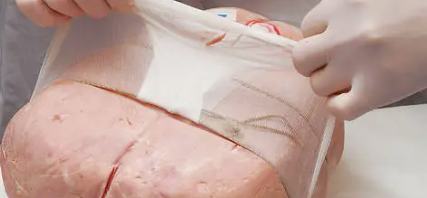
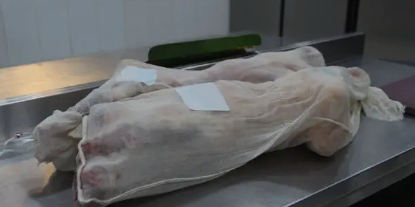
    Stockinette bags are made from lightweight, breathable knitted fabric, usually cotton or polyester, designed to hold produce securely while allowing air circulation. This ventilation is crucial for preventing moisture buildup, which can lead to mould or rot in vegetables and fruits. Available in various sizes and strengths, stockinette bags are ideal for both bulk storage and smaller-scale gardening. Their soft texture also protects delicate produce during handling and transport, reducing bruising and spoilage.

    In the Australian context, these bags are particularly valued for their ability to withstand the demands of both hot and humid climates while remaining reusable. Many suppliers across Australia now offer stockinette bags made from sustainable and biodegradable materials, reflecting the growing focus on environmentally responsible farming practices.

    Applications of Stockinette Bags in Australian Agriculture

    1. Storing Root Vegetables

    Root vegetables like potatoes, onions, and carrots require proper storage to maintain freshness and quality. On many Australian farms, stockinette bags are used to store these crops in both cold storage facilities and at farm markets. The breathable material allows excess moisture to escape, reducing the risk of rot while extending shelf life.

    2. Protecting Seedlings and Plants

    Stockinette bags are not limited to harvested produce. Australian gardeners often use them to protect seedlings and delicate plants during transport or temporary storage. The soft fabric protects stems and leaves from damage, making it ideal for nurseries and community gardens.

    3. Transporting Produce Safely

    For farmers delivering produce to local markets or wholesale buyers, stockinette bags provide an effective way to transport items without causing damage. Unlike plastic bags, these fabric bags reduce condensation and allow crops to “breathe,” ensuring they reach buyers in optimal condition.

    4. Supporting Sustainable Practices

    Sustainability is a growing concern for Australian agriculture. Many farms are now adopting reusable stockinette bags instead of single-use plastics. Not only does this reduce environmental impact, but it also aligns with consumer demand for eco-friendly produce packaging. Some Australian suppliers even offer bags made from recycled or biodegradable materials, further enhancing sustainability.

    Choosing the Right Stockinette Bag

    When selecting stockinette bags, Australian farmers and gardeners should consider several factors:

    â—Ź Size and Capacity: Bags should match the type and quantity of produce being stored. Small bags are suitable for onions or garlic, while larger bags are ideal for potatoes or carrots.

    â—Ź Material Strength: Heavier-weight fabrics are preferred for larger or denser crops to prevent tearing during handling.

    ● Breathability: Proper ventilation is crucial for maintaining freshness, especially in Australia’s warmer regions.

    â—Ź Reusability: Choosing reusable and washable stockinette bags can save costs over time and reduce environmental impact.

    By considering these factors, farmers can maximise the efficiency and lifespan of their stockinette bags, ensuring crops remain in the best possible condition.

    Where to Source Stockinette Bags in Australia

    Stockinette bags are widely available across Australia, from local agricultural supply stores to specialised online retailers. States such as Queensland, New South Wales, Victoria, and South Australia have suppliers catering to both commercial farmers and backyard gardeners. Many suppliers also offer custom sizes, biodegradable options, and bulk purchase discounts, making it easier for Australian farmers to find bags that meet their specific needs.

    Conclusion

    For Australian farmers and gardeners, stockinette bags are more than just simple storage solutions—they are tools that help protect produce, reduce waste, and promote sustainable practices. Their breathability, durability, and versatility make them ideal for handling a wide range of crops, from root vegetables to delicate seedlings. As sustainability and efficiency continue to shape Australian agriculture, stockinette bags are set to remain a reliable choice for anyone looking to combine practicality with eco-conscious farming.

    Whether you are a commercial farmer in New South Wales, a horticulturist in Victoria, or a backyard gardener in Queensland, stockinette bags offer a practical, environmentally friendly solution for safely preserving and transporting your produce. Investing in quality stockinette bags ensures that your crops reach the market or your kitchen in excellent condition while supporting responsible farming practices across Australia.

  • Stockinette Bags’ Essential Tools for Australian Farmers and Gardeners

    Stockinette Bags’ Essential Tools for Australian Farmers and Gardeners

    In Australia’s diverse agricultural landscape, stockinette bags have become a staple for farmers and gardeners alike. These versatile bags are widely used for storing, transporting, and protecting a variety of crops, from potatoes and onions to smaller produce like garlic and shallots. Beyond storage, stockinette bags also help maintain produce quality, reduce waste, and support sustainable farming practices. Whether on a commercial farm in New South Wales or in a backyard garden in Victoria, stockinette bags are proving indispensable to those seeking practical, eco-friendly solutions for their agricultural needs.

    What Are Stockinette Bags?

    Stockinette bags are made from lightweight, breathable knitted fabric, usually cotton or polyester, designed to hold produce securely while allowing air circulation. This ventilation is crucial for preventing moisture buildup, which can lead to mould or rot in vegetables and fruits. Available in various sizes and strengths, stockinette bags are ideal for both bulk storage and smaller-scale gardening. Their soft texture also protects delicate produce during handling and transport, reducing bruising and spoilage.

    In the Australian context, these bags are particularly valued for their ability to withstand the demands of both hot and humid climates while remaining reusable. Many suppliers across Australia now offer stockinette bags made from sustainable and biodegradable materials, reflecting the growing focus on environmentally responsible farming practices.

    Applications of Stockinette Bags in Australian Agriculture

    1. Storing Root Vegetables

    Root vegetables like potatoes, onions, and carrots require proper storage to maintain freshness and quality. On many Australian farms, stockinette bags are used to store these crops in both cold storage facilities and at farm markets. The breathable material allows excess moisture to escape, reducing the risk of rot while extending shelf life.

    2. Protecting Seedlings and Plants

    Stockinette bags are not limited to harvested produce. Australian gardeners often use them to protect seedlings and delicate plants during transport or temporary storage. The soft fabric protects stems and leaves from damage, making it ideal for nurseries and community gardens.

    3. Transporting Produce Safely

    For farmers delivering produce to local markets or wholesale buyers, stockinette bags provide an effective way to transport items without causing damage. Unlike plastic bags, these fabric bags reduce condensation and allow crops to “breathe,” ensuring they reach buyers in optimal condition.

    4. Supporting Sustainable Practices

    Sustainability is a growing concern for Australian agriculture. Many farms are now adopting reusable stockinette bags instead of single-use plastics. Not only does this reduce environmental impact, but it also aligns with consumer demand for eco-friendly produce packaging. Some Australian suppliers even offer bags made from recycled or biodegradable materials, further enhancing sustainability.

    Choosing the Right Stockinette Bag

    When selecting stockinette bags, Australian farmers and gardeners should consider several factors:

    â—Ź Size and Capacity: Bags should match the type and quantity of produce being stored. Small bags are suitable for onions or garlic, while larger bags are ideal for potatoes or carrots.

    â—Ź Material Strength: Heavier-weight fabrics are preferred for larger or denser crops to prevent tearing during handling.

    ● Breathability: Proper ventilation is crucial for maintaining freshness, especially in Australia’s warmer regions.

    â—Ź Reusability: Choosing reusable and washable stockinette bags can save costs over time and reduce environmental impact.

    By considering these factors, farmers can maximise the efficiency and lifespan of their stockinette bags, ensuring crops remain in the best possible condition.

    Where to Source Stockinette Bags in Australia

    Stockinette bags are widely available across Australia, from local agricultural supply stores to specialised online retailers. States such as Queensland, New South Wales, Victoria, and South Australia have suppliers catering to both commercial farmers and backyard gardeners. Many suppliers also offer custom sizes, biodegradable options, and bulk purchase discounts, making it easier for Australian farmers to find bags that meet their specific needs.

    Conclusion

    For Australian farmers and gardeners, stockinette bags are more than just simple storage solutions—they are tools that help protect produce, reduce waste, and promote sustainable practices. Their breathability, durability, and versatility make them ideal for handling a wide range of crops, from root vegetables to delicate seedlings. As sustainability and efficiency continue to shape Australian agriculture, stockinette bags are set to remain a reliable choice for anyone looking to combine practicality with eco-conscious farming.

    Whether you are a commercial farmer in New South Wales, a horticulturist in Victoria, or a backyard gardener in Queensland, stockinette bags offer a practical, environmentally friendly solution for safely preserving and transporting your produce. Investing in quality stockinette bags ensures that your crops reach the market or your kitchen in excellent condition while supporting responsible farming practices across Australia.

  • Pallet Freezer Spacers’ A Comprehensive Buying Guide for Australian Businesses

    Pallet Freezer Spacers’ A Comprehensive Buying Guide for Australian Businesses

    Efficient cold storage is a cornerstone of food distribution and supply chain management in Australia, and pallet freezer spacers play a critical role in achieving this. These spacers help maintain proper airflow between stacked pallets in commercial freezers, ensuring consistent temperatures, reducing spoilage, and optimising storage capacity. For Australian businesses ranging from supermarkets to food distributors, understanding which pallet freezer spacers to buy can save money, improve operational efficiency, and ensure compliance with local food safety standards.

    Why Pallet Freezer Spacers Are Essential

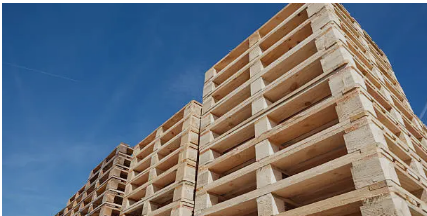
    Pallet freezer spacers are designed to prevent pallets from contacting each other, promoting uniform cold-air circulation. Without proper spacers, stacked pallets can create cold spots and uneven freezing, increasing the risk of food spoilage. In the Australian context, where businesses must comply with Food Standards Australia New Zealand (FSANZ) regulations, using approved spacers also helps maintain hygiene and traceability in cold storage operations.

    Types of Pallet Freezer Spacers

    When buying pallet freezer spacers in Australia, businesses have several options:

    1. Plastic Spacers – Durable, lightweight, and moisture- and chemical-resistant, plastic spacers are ideal for freezers where hygiene and longevity are critical. They are easy to clean and maintain, making them popular in food service and cold storage facilities.

    2. Wooden Spacers – Traditional wooden spacers are strong and cost-effective, but require proper treatment to prevent contamination. In Australia, treated timber that complies with hygiene standards is a common choice for meat and dairy warehouses.

    3. Metal Spacers – Although less common, stainless steel spacers are used in environments where extreme durability and long-term usage outweigh cost considerations. They are often found in industrial freezers handling bulk frozen goods.

    Understanding the material best suited to your business’s freezer conditions and load requirements is critical. Australian climate considerations, such as high humidity in coastal regions like Sydney and Cairns, can also influence material selection.

    Key Features to Consider

    When selecting pallet freezer spacers, there are several features to evaluate:

    ● Load Capacity – Ensure the spacer can handle the weight of your pallets without bending or breaking. Overloading spacers can compromise safety and product integrity.

    ● Dimensions – Spacers should match the standard pallet sizes used in Australia, such as the common 1165mm x 1165mm or 1200mm x 1000mm pallets. Proper sizing ensures stability and maximises storage efficiency.

    ● Hygiene Compliance – Choose spacers that are easy to sanitise and comply with FSANZ standards to reduce contamination risks.

    ● Temperature Resistance – Freezers in Australia can operate at extremely low temperatures. Spacers should remain stable and durable in sub-zero conditions to maintain airflow and prevent product damage.

    Where to Buy Pallet Freezer Spacers in Australia

    Several Australian suppliers specialise in pallet freezer spacers, offering both standard and custom solutions:

    ● Local Manufacturers – Companies based in New South Wales, Victoria, and Queensland often provide spacers tailored to regional cold storage needs.

    ● Industrial Supply Distributors – Large distributors offer bulk purchases of spacers with delivery across Australia, making them convenient for nationwide operations.

    ● Online Retailers – Many Australian businesses now purchase pallet freezer spacers online, allowing easy comparison of materials, sizes, and pricing. Ensure any online purchase complies with Australian hygiene standards.

    When sourcing spacers, it’s wise to request samples or conduct a trial in your freezer to verify fit, durability, and airflow efficiency.

    Best Practices for Using Pallet Freezer Spacers

    Once you’ve selected the right pallet freezer spacers, proper usage is essential to maximise benefits:

    ● Stack Evenly – Place spacers between each pallet layer to maintain consistent airflow and prevent load shifting.

    ● Regular Inspection – Check spacers regularly for damage or wear. Replace any that are cracked, warped, or compromised.

    ● Sanitation – Clean plastic and metal spacers routinely to maintain hygiene. Wooden spacers should be inspected for mould or splintering and replaced as needed.

    ● Training Staff – Educate warehouse personnel on proper handling and stacking techniques to prevent accidents and maximise freezer efficiency.

    Conclusion

    For Australian businesses managing cold storage, investing in high-quality pallet freezer spacers is more than a logistical necessity—it’s a strategy for food safety, efficiency, and cost savings. By understanding the types, features, and best practices for spacers, companies can ensure their frozen goods remain in optimal condition while complying with local standards.

    Whether you operate a large distribution centre in Sydney, a meat processing facility in Brisbane, or a supermarket chain in Melbourne, selecting the right pallet freezer spacers tailored to Australian conditions will support operational success and long-term productivity.

  • Pallet Freezer Spacers’ Essential Solutions for Efficient Cold Storage in Australia

    Pallet Freezer Spacers’ Essential Solutions for Efficient Cold Storage in Australia

    In Australia’s thriving cold storage and logistics industry, pallet freezer spacers have become a critical tool for maintaining efficiency and product quality. Whether for frozen seafood in Sydney, meat processing in Melbourne, or pharmaceutical storage in Brisbane, pallet freezer spacers play a vital role in improving airflow, ensuring consistent temperatures, and maximising warehouse space. By elevating pallets and separating stacked goods, these spacers prevent freezing bottlenecks, reduce energy consumption, and safeguard the integrity of sensitive products.

    Why Pallet Freezer Spacers Matter in Australian Cold Storage

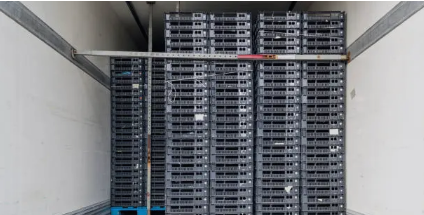
    Cold storage facilities across Australia face the ongoing challenge of maintaining even freezing temperatures while optimising storage capacity. Standard pallet stacking often restricts airflow, creating temperature variations that can compromise frozen goods. Pallet freezer spacers are specifically designed to address this issue. By providing a gap between stacked pallets, they allow cold air to circulate freely around the products. This consistent airflow reduces the risk of uneven freezing and helps maintain quality standards mandated by Australian food safety authorities such as FSANZ (Food Standards Australia New Zealand).

    Additionally, properly using pallet freezer spacers can improve operational efficiency. They simplify the loading and unloading of goods, especially in high-volume facilities such as Sydney’s seafood distribution hubs and Queensland’s frozen vegetable warehouses. Efficient stacking reduces handling time, lowers labour costs, and minimises the risk of product damage during storage and transport.

    Benefits of Using Pallet Freezer Spacers in Australia

    1. Enhanced Air Circulation

    In Australia’s commercial freezers, air circulation is crucial for energy efficiency and product preservation. Pallet freezer spacers create vertical space between pallets, allowing cold air to flow uniformly. This design reduces hotspots in the freezer, ensuring all products are frozen to the correct temperature and prolonging shelf life. Businesses handling perishable items such as meat, poultry, and seafood will notice a noticeable improvement in product quality.

    2. Optimised Storage Space

    Warehouse space is at a premium in Australian cities, where rental and operational costs can be high. Pallet freezer spacers enable safer vertical stacking without compromising airflow, allowing businesses to utilise their storage footprint more effectively. By stacking pallets higher without risking freezing inconsistencies or product crushing, facilities can store more goods without expanding their physical space.

    3. Energy Efficiency

    Energy consumption is one of the highest operational costs for cold storage in Australia. By improving airflow, pallet freezer spacers help maintain consistent temperatures, allowing freezers to operate more efficiently. Properly ventilated pallets require less energy to keep products frozen, resulting in lower electricity bills—a crucial factor for environmentally conscious Australian businesses and those looking to meet sustainability goals.

    4. Product Protection

    Damage during freezing and handling is a common issue in Australia’s logistics chain. Pallet freezer spacers provide stability, preventing pallets from shifting or crushing the goods below. This protection is essential for fragile or high-value items, such as specialty seafood, frozen berries, or pharmaceutical products that require precise temperature control. Using spacers reduces product loss, returns, and customer complaints.

    Choosing the Right Pallet Freezer Spacers in Australia

    When selecting pallet freezer spacers for Australian operations, several factors should be considered. Material choice is essential—most spacers are made from durable plastic or stainless steel that withstands extreme temperatures and repeated use. The spacer design should allow easy placement and removal and be compatible with forklifts and pallet jacks commonly used in Australian warehouses.

    Local suppliers often offer custom sizing to match Australian pallet dimensions, which typically measure 1165 mm x 1165 mm for standard pallets. Working with domestic manufacturers ensures compliance with Australian hygiene and material-safety standards, particularly important for the food and pharmaceutical industries.

    Implementing Pallet Freezer Spacers in Australian Facilities

    Successful implementation of pallet freezer spacers requires proper planning. Cold storage managers should assess current stacking practices, freezer layouts, and airflow patterns. Integrating spacers into daily operations can be straightforward, but training staff on correct usage ensures maximum benefits. Australian businesses often combine spacers with regular maintenance checks and temperature monitoring to maintain peak freezer efficiency.

    Conclusion

    For businesses in Australia’s cold storage sector, pallet freezer spacers are no longer optional—they are essential for operational efficiency, product protection, and energy savings. From Melbourne’s meat processing plants to Brisbane’s frozen produce warehouses and Sydney’s seafood distributors, these spacers improve airflow, optimise storage, and maintain consistent temperatures, safeguarding product quality and reducing operational costs. Investing in high-quality pallet freezer spacers is a smart decision for any Australian business looking to enhance cold storage operations while meeting the high standards of the local market.

    By selecting the right materials, sizes, and designs, Australian companies can fully leverage the benefits of pallet freezer spacers, ensuring a competitive edge in an industry where efficiency, safety, and product integrity are paramount.

  • Baler Twine_ Choosing the Right Twine for Australian Farms

    Baler Twine_ Choosing the Right Twine for Australian Farms

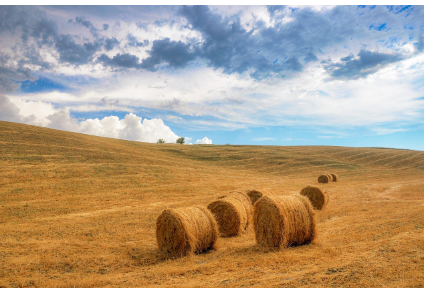
    Baler twine is an essential tool for Australian farmers, playing a crucial role in securing hay, straw, and silage bales for storage and transport. Whether you are working in the lush pastures of New South Wales or the drier paddocks of South Australia, selecting the right baler twine can significantly affect the durability and quality of your bales. With the wide variety of twine types available across Australia, understanding the differences in materials, strength, and applications is key to ensuring efficient, cost-effective farming operations.

    Understanding Baler Twine Types

    In Australia, baler twine is available in two main types: polypropylene and biodegradable. Polypropylene twine is widely used for its high tensile strength, affordability, and moisture resistance, making it suitable for long-term bale storage. On the other hand, biodegradable twine naturally breaks down over time, offering an environmentally friendly option for farmers who prefer sustainable practices. Choosing between these types depends on your farming goals, storage duration, and environmental considerations.

    Matching Twine Strength to Your Bale

    Twine strength is a critical factor for Australian farmers dealing with different crop types. High-tensile twine is ideal for large square bales or dense round bales, as it provides maximum support without snapping. Medium-strength twine, however, may be sufficient for smaller or less dense bales, offering a balance between performance and cost. Many Australian suppliers provide detailed guidelines on recommended twine strengths for specific crops, such as lucerne, wheat straw, or barley straw, helping farmers prevent bale failure during storage or transport.

    Consider the Bale Size and Baling Equipment

    Different baling machines require specific twine sizes to operate effectively. Most modern balers in Australia are compatible with 2-ply or 3-ply polypropylene twine, but older models may need alternative sizes. Ensuring compatibility prevents twine jams and reduces downtime during busy harvesting seasons. Additionally, matching the twine length to your machine’s specifications ensures that each bale is securely tied, reducing losses during handling or storage. Consulting with local Australian machinery suppliers can help farmers identify the most suitable twine for their specific baling equipment.

    Cost and Availability in Australia

    Baler twine prices in Australia vary depending on material, strength, and brand. Polypropylene twine is generally more affordable, with bulk purchases offering significant cost savings for large-scale farms. Biodegradable twine, while slightly more expensive, aligns with sustainable farming practices and may qualify for environmental incentives in certain states. Australian farmers often source twine from regional agricultural supply stores or through online suppliers, ensuring that they have access to quality products year-round. Comparing prices and bulk options can help farmers manage costs without compromising bale quality.

    Practical Tips for Using Baler Twine

    To maximise efficiency and reduce waste, Australian farmers should follow best practices when using baler twine. Storing twine in a dry, shaded area prevents weakening caused by UV exposure or moisture. Regularly checking twine tension during baling ensures each bale is secure and reduces the risk of snapping. For farms located in coastal regions or areas with high humidity, choosing twine with enhanced weather resistance is particularly important. Following these tips helps maintain bale integrity and ensures that livestock feed or straw is preserved effectively throughout storage.

    Environmental Considerations

    Sustainability is becoming increasingly important in Australian agriculture. Biodegradable baler twine is an excellent choice for farmers looking to minimise plastic waste and environmental impact. It breaks down naturally over time, reducing the accumulation of synthetic materials in fields. Additionally, using biodegradable twine can support eco-friendly farming certifications, which are gaining traction in local and international markets. Australian farmers can balance performance and sustainability by selecting the right twine type for their operational needs.

    Conclusion

    Baler twine is more than just a simple farm accessory—it is a critical component of efficient and effective Australian farming. By understanding the different twine types, matching strength to bale size, considering equipment compatibility, and following practical usage tips, farmers can secure their bales reliably while minimising waste and costs. With options ranging from high-tensile polypropylene to environmentally friendly biodegradable twine, Australian farmers have the flexibility to choose solutions that suit both their production and sustainability goals. Investing in the right baler twine ensures that every bale remains intact, supporting farm productivity and profitability across the diverse agricultural landscapes of Australia.

  • Net Replacement Film in Australia_ The Hassle-Free Solution for Upgrading Your Window and Door Screens

    Net Replacement Film in Australia_ The Hassle-Free Solution for Upgrading Your Window and Door Screens

    When it comes to keeping homes in Australia protected from insects, dust, and harsh weather while maintaining airflow, easy-install net replacement film has become a go-to modern solution. Homeowners are now turning away from traditional mesh screens that require tools, time, and professional installation. Instead, they’re embracing this innovative product that makes screen replacement quick, efficient, and cost-effective. Designed for both durability and simplicity, net replacement film offers Australian households an ideal balance between comfort and practicality.

    The Modern Answer to Traditional Mesh Screens

    Australia’s climate poses unique challenges—hot summers, strong winds, and ever-present insects make reliable screens essential. Traditionally, replacing window or door screens involved removing frames, cutting new mesh, and securing it with spline tools. This process was both time-consuming and required a level of skill not all homeowners possessed.

    Enter the easy-install net replacement film, a game-changer that redefines the way Australians maintain their homes. Unlike standard mesh screens, this film utilises adhesive or magnetic mounting systems, eliminating the need for special tools or professional assistance. The film can be applied in minutes, providing an instant upgrade that restores protection and visibility without the mess or stress of conventional screen replacement.

    Why Homeowners Across Australia Are Making the Switch

    Australians value practicality, and the appeal of easy-install net replacement film lies in its remarkable convenience. For homeowners dealing with damaged or worn-out screens, it eliminates the frustration of sourcing compatible materials and the high costs of hiring a tradesperson.

    Effortless Installation: Clean the surface, cut the film to size, and apply. Most films come with self-adhesive backing or magnetic strips, making alignment straightforward.

    Cost-Effective Maintenance: Compared to traditional mesh replacement, which can cost significantly more due to labour, this DIY-friendly solution saves both time and money.

    Customisable and Versatile: Available in various thicknesses and designs, net replacement films can fit different window types and door frames commonly found in Australian homes.

    Enhanced Durability: Many brands offer UV-resistant and tear-resistant materials, ensuring long-term reliability even under Australia’s harsh weather conditions.

    With these benefits, it’s no wonder that homeowners from Sydney to Perth are choosing this innovative product to maintain clean, insect-free, and comfortable living spaces.

    A Perfect Fit for Every Australian Home

    From coastal houses battling salty air to inland properties facing dust and heat, every region of Australia demands unique protection. The adaptability of easy-install net replacement film makes it suitable for nearly any home. For instance, those living in tropical areas, such as Queensland, often require stronger mesh to withstand humidity and insects, while homeowners in Victoria might prioritise UV protection and insulation.

    Modern net replacement films are available in various materials, including polyester and fibreglass blends, each designed to meet specific needs. Some are even designed with nano-coating technology, improving visibility and airflow while reducing glare. It means Australians no longer have to compromise between protection and aesthetics—these films deliver both.

    Eco-Friendly and Energy-Efficient Benefits

    Sustainability is an increasing priority for many Australian households, and easy-install net replacement film contributes to a greener lifestyle. Because the film is long-lasting and easy to clean, it reduces waste from frequent screen replacements. Its energy-saving potential also can’t be ignored. Some variants help regulate indoor temperatures by filtering sunlight and blocking UV rays, keeping interiors cooler in summer and reducing air conditioning use.

    Low Maintenance, High Performance

    Australian homeowners appreciate products that work hard without demanding constant upkeep. With easy-install net replacement film, maintenance is minimal. A simple wipe with a damp cloth or mild detergent keeps it looking clear and performing efficiently. Unlike traditional mesh, which can fray, loosen, or trap debris, the film maintains its shape and tension over time.

    This durability ensures that your home remains protected against flies, mosquitoes, and dust storms, especially in regions like the Northern Territory or Western Australia, where such elements are a daily concern. The low-maintenance appeal makes it perfect for rental properties, holiday homes, and busy urban households alike.

    Cost Savings and Long-Term Value

    While initial affordability is one advantage, the real value of easy-install net replacement film lies in its longevity and reusability. Traditional screens often need complete replacement when damaged, but films can be easily removed, cleaned, and reapplied. This flexibility provides exceptional long-term savings for Australian families and property managers alike.

    Choosing the Right Net Replacement Film in Australia

    Not all net replacement films are created equal, so it’s worth doing some research before making a purchase. Look for reputable Australian retailers or online suppliers that provide clear installation guides and product warranties. High-quality films should feature:

    UV and tear resistance for durability

    Fine mesh structure for improved insect protection

    Transparent or tinted options for aesthetic flexibility

    Non-toxic materials suitable for family and pet safety

    With these features, you can confidently select a film that fits your home’s design and environmental needs.

    The Future of Home Comfort and Convenience

    The rise of easy-install net replacement film represents more than just a trend—it’s part of a broader shift toward smarter, user-friendly home solutions in Australia. Homeowners today want products that simplify maintenance, reduce costs, and support sustainable living. This innovative film does all three while enhancing the comfort and functionality of any property.

    As demand continues to grow, it’s clear that net replacement film is setting a new standard for window and door screen technology. Its blend of practicality, performance, and affordability makes it a perfect fit for the modern Australian lifestyle—proving that sometimes, the simplest solutions can make the biggest difference.

  • Silage Plastic Choosing Durable Silage Plastic for Australian Farms

    Silage Plastic Choosing Durable Silage Plastic for Australian Farms

    In modern Australian agriculture, optimising feed efficiency is a critical component of maintaining profitable livestock operations. Silage plays a central role in preserving high-quality forage for cattle, sheep, and other ruminants, but the effectiveness of silage largely depends on the materials used during its storage. One often overlooked but vital component is the choice of durable silage plastic. Selecting the right silage wrap can significantly impact feed preservation, reduce waste, and ultimately enhance farm productivity.

    Understanding the Role of Silage Plastic

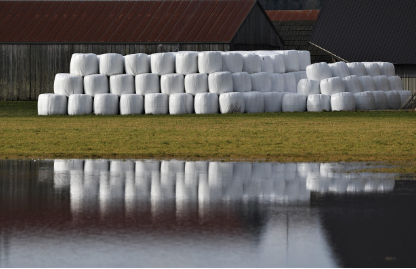
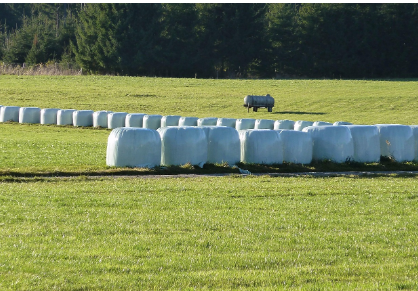
    Silage plastic serves as a protective barrier that shields forage from oxygen, moisture, and contaminants. Its primary purpose is to create an anaerobic environment where fermentation can occur, preserving nutrients and maintaining palatability. Poor-quality or damaged silage plastic can lead to oxygen ingress, mould growth, and nutrient loss, which directly affects animal performance.

    For Australian farmers, who often face harsh sunlight, variable rainfall, and high temperatures, durability is a crucial factor in selecting silage wrap. Investing in durable silage plastic ensures that the integrity of the wrap remains intact throughout the storage period, safeguarding both feed quality and farm profits.

    Key Features of Durable Silage Plastic

    When evaluating silage plastic, several features distinguish truly durable options from less reliable alternatives:

    UV Resistance

    Exposure to intense Australian sunlight can cause conventional plastics to degrade, resulting in brittleness and tears. High-quality silage plastic incorporates UV stabilisers to resist sun damage. This resistance extends the lifespan of the wrap, prevents silage spoilage, and reduces the need for frequent replacement.

    Tensile Strength and Tear Resistance

    Silage wrapping involves mechanical handling, stretching, and tensioning of the silage. Plastics with superior tensile strength and tear resistance withstand the rigours of farm machinery, ensuring complete coverage without accidental punctures. Strong wraps reduce feed exposure to air and moisture, minimising losses and improving feed efficiency.

    Multi-Layer Construction

    Modern durable silage plastics often feature multi-layer designs. Each layer serves a specific purpose, such as providing an oxygen barrier, enhancing puncture resistance, or offering UV protection. Multi-layer wraps not only protect the forage but also improve fermentation quality by maintaining a consistent anaerobic environment.

    Stretchability and Cling Properties

    A silage wrap must conform tightly to the bale surface to eliminate air pockets. Plastics with good stretchability and cling properties enable seamless wrapping, which is crucial for maintaining the anaerobic conditions necessary for optimal fermentation.

    Environmental Considerations

    Sustainability is increasingly important in Australian farming practices. Choosing durable silage plastic with recyclable or biodegradable properties can reduce environmental impact without compromising feed protection. Some modern silage plastics are designed for multiple uses or are compatible with recycling programs, allowing farms to maintain eco-friendly practices while benefiting from long-term durability.

    Proper disposal and recycling of used silage plastic is critical. Australian farmers are increasingly participating in collection programs to ensure responsible waste management. By integrating durable, recyclable silage wraps into their operations, farmers can simultaneously improve feed efficiency and reduce their ecological footprint.

    Economic Benefits of Durable Silage Plastic

    While premium silage wraps may carry a higher upfront cost, the long-term financial advantages are significant:

    Reduced Feed Loss: High-quality wraps prevent spoilage, ensuring that a larger proportion of forage remains edible for livestock.

    Lower Replacement Costs: Durable plastics last through entire storage periods, reducing the need for frequent repurchasing.

    Labour Savings: Robust wraps minimise the need for repair or rewrapping, saving time and labour costs on the farm.

    Enhanced Livestock Performance: Consistently high-quality silage supports optimal nutrition, leading to healthier animals and improved productivity.

    In the context of large-scale Australian farms, these savings and productivity gains often outweigh the initial investment in premium durable silage plastic.

    Conclusion:

    For Australian farmers, feed efficiency begins with proper forage preservation. Choosing durable silage plastic is a crucial investment in maintaining high-quality silage, reducing wastage, and supporting livestock performance. By considering factors such as UV resistance, tensile strength, multi-layer construction, and environmental sustainability, farmers can ensure that their silage remains protected throughout storage.

    Investing in high-quality silage wrap is not just about preventing losses; it is about maximising the productivity of the entire farm system. With the right durable silage plastic, Australian farmers can confidently protect their forage, enhance feed efficiency, and achieve long-term economic and environmental benefits.

  • Bale Wrap The Economics of Cost vs. Value in Australian Agriculture

    Bale Wrap The Economics of Cost vs. Value in Australian Agriculture

    In the vast landscapes of Australian agriculture, bale wrap has become an indispensable tool for farmers managing hay and silage. As climate variability and rising input costs challenge farm profitability, understanding the economics behind bale wrap—balancing cost against the value it delivers—is critical. This article delves into the financial aspects of bale wrap use in Australia, exploring how it influences farm efficiency, feed quality, and ultimately, the bottom line.

    The Rising Importance of Bale Wrap in Australian Farming

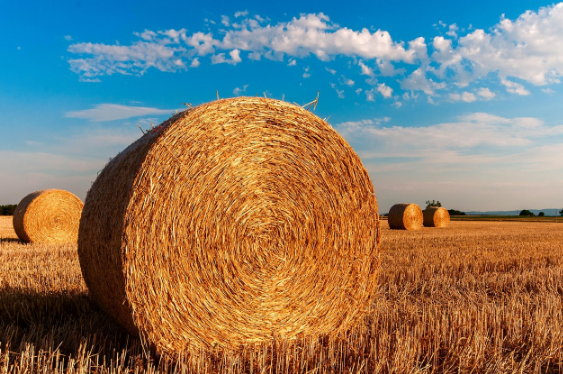
    Bale wrap first gained prominence in Australia as a solution to protect hay and silage from spoilage caused by unpredictable weather, particularly during the long, dry summers and sporadic rain events. Its primary function is to seal bales airtight, preserving nutritional content and reducing waste. This protective barrier enables farmers to store fodder longer without quality loss, directly impacting livestock health and production.

    However, despite its clear benefits, bale wrap comes with upfront costs. The price of purchasing rolls, equipment, and labour must be justified against the economic gains from improved feed quality and reduced wastage. This tension between cost and value is at the heart of the economics of bale wrap in Australian agriculture.

    Analysing the Cost Components of Bale Wrap

    The cost of bale wrap includes several elements: material, machinery, labour, and disposal. In Australia, rolls of bale wrap can vary from AUD 30 to AUD 60 each, depending on quality, thickness, and supplier. Efficient machinery, such as automated bale wrappers, may require a capital investment of AUD 10,000 to AUD 50,000, which can be amortised over years but adds to initial expenditure.

    Labour is another factor—whether manual wrapping or machine operation—impacting time management on the farm. Additionally, environmental regulations around plastic disposal and recycling add a hidden cost. While some regions in Australia have recycling programs, many farmers must pay for disposal or invest in sustainable alternatives, which can increase expenses.

    The Value Proposition: How Bale Wrap Adds Economic Worth

    Despite these costs, the value bale wrap brings is substantial. Firstly, the reduction in feed spoilage directly translates to savings. Australian farmers have reported feed wastage reductions from as high as 30% with traditional hay storage methods, down to under 5% with bale wrap. This means more usable feed per bale, lowering the need to purchase additional fodder during lean seasons.

    Secondly, the preservation of nutritional value in silage and hay enhances livestock performance. Healthier cattle and sheep grow faster and produce higher-quality meat and milk, increasing market returns. For dairy farmers, better-quality silage can boost milk yield by several litres per day, significantly affecting revenue.

    Furthermore, bale wrap enables greater flexibility in timing feed usage and marketing livestock, allowing farmers to optimise cash flow. It can also reduce the risk of mycotoxin contamination, which poses a health hazard and economic risk if livestock are affected.

    Economic Case Studies from Australian Regions

    In northern New South Wales, a mid-sized cattle farm invested AUD 25,000 in bale wrap equipment and supplies. Over three years, the farm recorded a 15% increase in feed efficiency and a 10% rise in cattle weight gain, resulting in an estimated net gain of AUD 40,000. This case underscores how the initial cost was outweighed by productivity and feed savings.

    Conversely, some smaller farms in Western Australia find the upfront costs prohibitive without access to cooperative buying groups or subsidies. For these operators, traditional storage methods remain common, but risk greater feed losses, highlighting a gap where economic support or shared machinery could improve adoption and profitability.

    Innovations Driving Cost-Effectiveness in Bale Wrap

    Recent technological advances are helping Australian farmers maximise value while controlling costs. Innovations include biodegradable bale wrap films, which reduce disposal expenses and environmental impact. Thinner but stronger materials decrease the amount of plastic used per bale, lowering purchase costs.

    Additionally, improved bale wrapping machines with higher speed and automation reduce labour costs and improve wrap consistency. Some manufacturers offer leasing or hire options, spreading the capital cost over time and making equipment accessible to more farmers.

    These innovations are gradually shifting the economic balance in favour of bale wrap, especially as sustainability becomes a greater priority in Australian agriculture.

    Conclusion: Making Informed Decisions for Maximum Economic Benefit

    The economics of bale wrap in Australian agriculture is a nuanced balance between upfront investment and long-term value creation. While costs can seem significant, the benefits in feed preservation, livestock productivity, and operational flexibility offer compelling financial returns for many farmers.

    Strategic adoption—considering farm size, regional climate, and available technology—ensures that bale wrap delivers the best value. As innovations continue to improve cost efficiency and environmental sustainability, bale wrap will remain a key economic asset in the future of Australian farming.

    For Australian farmers aiming to optimise feed management and profitability, understanding the true economics of bale wrap is not just good practice—it’s an essential business strategy.

  • Silage Covers: Are Biodegradable Options Viable in Australia?

    In recent years, the Australian agricultural sector has increasingly focused on sustainable practices, with silage covers emerging as a notable area of innovation. Silage covers are essential for preserving fodder quality; however, their traditional plastic varieties raise environmental concerns due to disposal issues and prolonged degradation times.


    Silage Covers
    Biodegradable silage covers

    This growing awareness has led to a spotlight on eco-friendly silage covers, particularly biodegradable options. But are these alternatives truly viable for Australian farmers? This article explores the promise and practicalities of biodegradable silage covers in Australia’s unique farming context.


    The Environmental Challenge of Conventional Silage Covers

    Australian farmers rely heavily on silage covers to protect harvested forage from moisture, oxygen, and pests, ensuring nutrient retention for livestock feed. Typically, these covers are made from polyethylene or other plastics that are durable but non-biodegradable. While effective in silage preservation, the accumulation of plastic waste creates significant environmental challenges.


    Disposal of used silage covers often involves burning or landfill, both of which have negative ecological impacts. With Australia’s vast agricultural landscapes and stringent environmental regulations, the demand for more sustainable alternatives has become urgent. This is where biodegradable silage covers enter the conversation.


    What Is Biodegradable Silage Covers?

    Biodegradable silage covers are designed to break down naturally into non-toxic components after use, typically through microbial activity in soil or composting environments. Made from biopolymers such as polylactic acid (PLA), starch blends, or other plant-based materials, these covers aim to maintain the protective qualities of traditional plastics during use but degrade much faster post-disposal.


    In theory, biodegradable covers could reduce plastic pollution on farms, lower disposal costs, and help farmers meet environmental sustainability goals. However, their application must be evaluated carefully, especially considering Australia’s diverse climates and farming practices.


    Performance Expectations in Australian Conditions

    The viability of biodegradable silage covers depends on their ability to perform under Australia’s environmental conditions, which range from humid subtropical zones in Queensland to arid regions in Western Australia and temperate areas in the south.


    Farmers expect silage covers to resist tearing, UV degradation, and moisture penetration throughout the storage period. Biodegradable materials face challenges in matching these properties. For example:


    • Durability: Some biodegradable covers may degrade prematurely under high UV exposure or extreme temperatures, potentially compromising silage quality.
    • Moisture Resistance: Maintaining a tight seal against rain and condensation is crucial. Biodegradable films often have different permeability characteristics compared to polyethylene.
    • Storage Time: The length of silage storage varies widely. Covers must remain intact and functional until silage is used, which can be several months.


    Recent advances in biodegradable polymer technology have improved strength and resistance, but Australian farmers must assess whether these options meet their operational demands.


    Economic Considerations for Australian Farmers

    Cost is a critical factor influencing adoption. Currently, biodegradable silage covers tend to be more expensive than conventional plastics due to raw material costs and manufacturing complexities. For large-scale Australian farms, where silage cover usage is extensive, this price difference can be significant.


    However, savings may be realised in disposal and compliance. Some regions in Australia are introducing stricter regulations on agricultural plastic waste, and biodegradable options could alleviate potential fines or disposal fees. Additionally, consumer and retailer demand for sustainably farmed products might justify higher costs as part of broader environmental stewardship and branding strategies.


    Real-World Trials and Research in Australia

    Several research initiatives and pilot programs have begun testing biodegradable silage covers under Australian conditions. Universities and agricultural research bodies are evaluating factors such as degradation rates, impact on silage quality, and environmental benefits.


    Early results indicate potential but highlight the need for region-specific recommendations. For example, covers that perform well in Victoria’s cooler climate might require formulation adjustments for Queensland’s hotter environments.


    Farmer feedback has been mixed, emphasising that while sustainability is valued, product reliability cannot be compromised. Adoption is expected to grow as technologies mature, and costs decrease.


    Practical Tips for Farmers Considering Biodegradable Covers


    • Trial in Small Batches: Start with limited quantities of less critical silage to gauge performance.
    • Understand Climate Impact: Match the cover type to local environmental conditions for best results.
    • Check Certification: Look for covers certified as biodegradable under Australian standards to ensure environmental claims are valid.
    • Plan Disposal: Even biodegradable covers require proper management post-use to maximise environmental benefits.


    The Future of Silage Covers in Australia

    Biodegradable silage covers represent a promising step toward reducing agricultural plastic waste in Australia. While current limitations in cost and durability exist, ongoing innovation is closing these gaps. Increasing environmental awareness and regulatory pressures will likely drive more widespread adoption.


    For Australian farmers, striking a balance between sustainability and practicality is crucial. Biodegradable covers may not yet be a universal solution, but they offer an essential option within a diversified approach to eco-friendly farming.


    In conclusion, silage covers remain vital for Australian agriculture, and integrating biodegradable options aligns well with the country’s sustainability goals. As technology advances and market conditions evolve, biodegradable silage covers could become a standard tool in the Australian farmer’s kit, combining environmental responsibility with practical forage preservation.