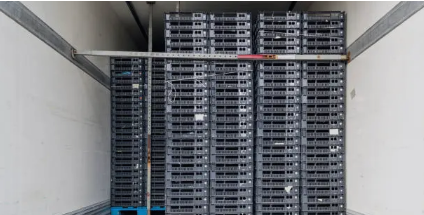
In Australia’s thriving cold storage and logistics industry, pallet freezer spacers have become a critical tool for maintaining efficiency and product quality. Whether for frozen seafood in Sydney, meat processing in Melbourne, or pharmaceutical storage in Brisbane, pallet freezer spacers play a vital role in improving airflow, ensuring consistent temperatures, and maximising warehouse space. By elevating pallets and separating stacked goods, these spacers prevent freezing bottlenecks, reduce energy consumption, and safeguard the integrity of sensitive products.
Why Pallet Freezer Spacers Matter in Australian Cold Storage
Cold storage facilities across Australia face the ongoing challenge of maintaining even freezing temperatures while optimising storage capacity. Standard pallet stacking often restricts airflow, creating temperature variations that can compromise frozen goods. Pallet freezer spacers are specifically designed to address this issue. By providing a gap between stacked pallets, they allow cold air to circulate freely around the products. This consistent airflow reduces the risk of uneven freezing and helps maintain quality standards mandated by Australian food safety authorities such as FSANZ (Food Standards Australia New Zealand).
Additionally, properly using pallet freezer spacers can improve operational efficiency. They simplify the loading and unloading of goods, especially in high-volume facilities such as Sydney’s seafood distribution hubs and Queensland’s frozen vegetable warehouses. Efficient stacking reduces handling time, lowers labour costs, and minimises the risk of product damage during storage and transport.
Benefits of Using Pallet Freezer Spacers in Australia
1. Enhanced Air Circulation
In Australia’s commercial freezers, air circulation is crucial for energy efficiency and product preservation. Pallet freezer spacers create vertical space between pallets, allowing cold air to flow uniformly. This design reduces hotspots in the freezer, ensuring all products are frozen to the correct temperature and prolonging shelf life. Businesses handling perishable items such as meat, poultry, and seafood will notice a noticeable improvement in product quality.
2. Optimised Storage Space
Warehouse space is at a premium in Australian cities, where rental and operational costs can be high. Pallet freezer spacers enable safer vertical stacking without compromising airflow, allowing businesses to utilise their storage footprint more effectively. By stacking pallets higher without risking freezing inconsistencies or product crushing, facilities can store more goods without expanding their physical space.
3. Energy Efficiency
Energy consumption is one of the highest operational costs for cold storage in Australia. By improving airflow, pallet freezer spacers help maintain consistent temperatures, allowing freezers to operate more efficiently. Properly ventilated pallets require less energy to keep products frozen, resulting in lower electricity bills—a crucial factor for environmentally conscious Australian businesses and those looking to meet sustainability goals.
4. Product Protection
Damage during freezing and handling is a common issue in Australia’s logistics chain. Pallet freezer spacers provide stability, preventing pallets from shifting or crushing the goods below. This protection is essential for fragile or high-value items, such as specialty seafood, frozen berries, or pharmaceutical products that require precise temperature control. Using spacers reduces product loss, returns, and customer complaints.
Choosing the Right Pallet Freezer Spacers in Australia
When selecting pallet freezer spacers for Australian operations, several factors should be considered. Material choice is essential—most spacers are made from durable plastic or stainless steel that withstands extreme temperatures and repeated use. The spacer design should allow easy placement and removal and be compatible with forklifts and pallet jacks commonly used in Australian warehouses.
Local suppliers often offer custom sizing to match Australian pallet dimensions, which typically measure 1165 mm x 1165 mm for standard pallets. Working with domestic manufacturers ensures compliance with Australian hygiene and material-safety standards, particularly important for the food and pharmaceutical industries.
Implementing Pallet Freezer Spacers in Australian Facilities
Successful implementation of pallet freezer spacers requires proper planning. Cold storage managers should assess current stacking practices, freezer layouts, and airflow patterns. Integrating spacers into daily operations can be straightforward, but training staff on correct usage ensures maximum benefits. Australian businesses often combine spacers with regular maintenance checks and temperature monitoring to maintain peak freezer efficiency.
Conclusion
For businesses in Australia’s cold storage sector, pallet freezer spacers are no longer optional—they are essential for operational efficiency, product protection, and energy savings. From Melbourne’s meat processing plants to Brisbane’s frozen produce warehouses and Sydney’s seafood distributors, these spacers improve airflow, optimise storage, and maintain consistent temperatures, safeguarding product quality and reducing operational costs. Investing in high-quality pallet freezer spacers is a smart decision for any Australian business looking to enhance cold storage operations while meeting the high standards of the local market.
By selecting the right materials, sizes, and designs, Australian companies can fully leverage the benefits of pallet freezer spacers, ensuring a competitive edge in an industry where efficiency, safety, and product integrity are paramount.