In Australia’s large-scale livestock industry, feed preservation is a constant operational challenge due to variable climate conditions, long transport distances, and seasonal forage shortages. This is where silage film plays a critical role. Used extensively in industrial farming systems, silage film helps protect fermented forage from oxygen exposure, moisture intrusion, and UV degradation, ensuring that cattle and dairy operations maintain consistent feed quality year-round. Across regions such as Queensland, New South Wales, and Victoria, demand for reliable silage protection continues to grow as producers aim to reduce waste and improve feed conversion efficiency.
Understanding Industrial Silage Film and Its Function
Industrial silage film is a multi-layer plastic wrap designed to seal chopped forage—such as corn, sorghum, or pasture grass—during the ensiling process. Its primary function is to create an airtight barrier that promotes anaerobic fermentation while preventing the growth of spoilage organisms, such as mould and aerobic bacteria.
Modern silage film used in Australia is typically manufactured with high puncture resistance, UV stabilisation, and oxygen barrier technology. These features are particularly important in harsh environments such as inland Queensland feedlots, where high temperatures and strong sunlight can quickly degrade low-quality wrapping materials.
By maintaining anaerobic conditions, the film supports lactic acid fermentation, thereby preserving nutritional value and enhancing digestibility for livestock.
Key Benefits for Australian Dairy and Beef Producers
One of the main advantages of using industrial silage film is improved feed consistency. In Australia’s dairy sector, particularly in Victoria’s Gippsland region, consistent milk production depends heavily on high-quality silage throughout the year. Properly sealed feed reduces nutrient loss, ensuring cattle receive stable energy intake regardless of seasonal pasture availability.
In beef feedlot operations across New South Wales and Queensland, efficiency is measured by weight gain per kilogram of feed. High-performance silage film reduces dry matter loss, thereby improving feed conversion ratios and lowering overall production costs.
Additional benefits include:
● Reduced spoilage and waste during long storage periods
● Improved palatability of fermented feed
● Protection against extreme weather conditions
● Lower risk of livestock health issues linked to mould contamination
These advantages make silage film a core component of modern industrial fodder management strategies.
Climate Challenges and the Importance of Film Quality
Australia’s climate presents unique challenges that directly impact silage preservation. High UV exposure in regions like Western Australia and South Australia can degrade inferior wrapping materials, leading to oxygen leaks and spoilage. Similarly, heavy rainfall events in coastal regions increase the risk of moisture penetration if sealing is inadequate.
For this reason, premium-grade silage film is engineered with multilayer co-extrusion technology that enhances durability and elongation resistance. This allows the film to maintain its integrity even when exposed to sharp forage edges or when repeatedly handled during stacking and storage.
Farmers and contractors increasingly prefer thicker-gauge films for bunker silage systems, especially in large-scale operations where silage piles may be stored for 6–12 months.
Application Methods in Industrial Settings
In Australian agriculture, silage film is commonly applied using either bale wrapping systems or bunker silo covering. Each method requires precise application techniques to ensure airtight sealing.
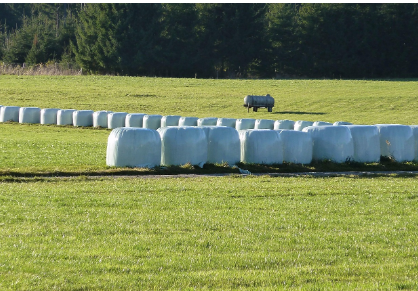
In bale wrapping, individual round bales are wrapped multiple times using automated machinery. This method is widely used in mixed farming systems across Victoria and Tasmania.
In bunker systems, chopped forage is compacted into large pits or above-ground piles and then covered with sheets of silage film, often weighted with tyres or sandbags to maintain seal integrity.
Proper overlap, tension control, and edge sealing are critical to prevent oxygen ingress, which can compromise the entire silage batch.
Economic Impact on Australian Farming Operations
The use of silage film directly affects farm profitability. Feed spoilage can account for a significant portion of operational costs, particularly in intensive livestock systems. By minimising waste, farmers reduce the need to purchase supplemental feed during dry seasons.
For large dairy farms in Victoria and beef operations in Queensland, even a small improvement in preservation efficiency can translate into substantial annual savings. The reliability of silage film also allows better planning of feed inventories, reducing exposure to market price fluctuations for grain and fodder.
Sustainability and Environmental Considerations
Sustainability is becoming increasingly important in Australian agriculture. Modern silage films are now being developed with thinner yet stronger materials to reduce plastic usage while maintaining performance. Some manufacturers are also exploring recyclable and partially biodegradable options to address environmental concerns.
Efficient silage preservation also contributes to sustainability by reducing food waste at the farm level. Less spoilage means fewer resources are required to produce additional feed, lowering the overall environmental footprint of livestock production systems.
Conclusion: A Critical Tool for Modern Australian Agriculture
As Australian farming continues to scale and adapt to climate variability, reliable feed storage solutions are essential. Industrial silage film provides a practical, cost-effective, and scientifically proven method for preserving forage quality across diverse agricultural environments.
Whether used in dairy regions of Victoria, beef feedlots in Queensland, or mixed farms in New South Wales, silage film remains a foundational tool in ensuring feed security, operational efficiency, and long-term farm sustainability.