In recent years, the Australian agricultural sector has increasingly focused on sustainable practices, with silage covers emerging as a notable area of innovation. Silage covers are essential for preserving fodder quality; however, their traditional plastic varieties raise environmental concerns due to disposal issues and prolonged degradation times.
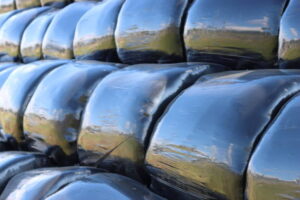
This growing awareness has led to a spotlight on eco-friendly silage covers, particularly biodegradable options. But are these alternatives truly viable for Australian farmers? This article explores the promise and practicalities of biodegradable silage covers in Australia’s unique farming context.
The Environmental Challenge of Conventional Silage Covers
Australian farmers rely heavily on silage covers to protect harvested forage from moisture, oxygen, and pests, ensuring nutrient retention for livestock feed. Typically, these covers are made from polyethylene or other plastics that are durable but non-biodegradable. While effective in silage preservation, the accumulation of plastic waste creates significant environmental challenges.
Disposal of used silage covers often involves burning or landfill, both of which have negative ecological impacts. With Australia’s vast agricultural landscapes and stringent environmental regulations, the demand for more sustainable alternatives has become urgent. This is where biodegradable silage covers enter the conversation.
What Is Biodegradable Silage Covers?
Biodegradable silage covers are designed to break down naturally into non-toxic components after use, typically through microbial activity in soil or composting environments. Made from biopolymers such as polylactic acid (PLA), starch blends, or other plant-based materials, these covers aim to maintain the protective qualities of traditional plastics during use but degrade much faster post-disposal.
In theory, biodegradable covers could reduce plastic pollution on farms, lower disposal costs, and help farmers meet environmental sustainability goals. However, their application must be evaluated carefully, especially considering Australia’s diverse climates and farming practices.
Performance Expectations in Australian Conditions
The viability of biodegradable silage covers depends on their ability to perform under Australia’s environmental conditions, which range from humid subtropical zones in Queensland to arid regions in Western Australia and temperate areas in the south.
Farmers expect silage covers to resist tearing, UV degradation, and moisture penetration throughout the storage period. Biodegradable materials face challenges in matching these properties. For example:
- Durability: Some biodegradable covers may degrade prematurely under high UV exposure or extreme temperatures, potentially compromising silage quality.
- Moisture Resistance: Maintaining a tight seal against rain and condensation is crucial. Biodegradable films often have different permeability characteristics compared to polyethylene.
- Storage Time: The length of silage storage varies widely. Covers must remain intact and functional until silage is used, which can be several months.
Recent advances in biodegradable polymer technology have improved strength and resistance, but Australian farmers must assess whether these options meet their operational demands.
Economic Considerations for Australian Farmers
Cost is a critical factor influencing adoption. Currently, biodegradable silage covers tend to be more expensive than conventional plastics due to raw material costs and manufacturing complexities. For large-scale Australian farms, where silage cover usage is extensive, this price difference can be significant.
However, savings may be realised in disposal and compliance. Some regions in Australia are introducing stricter regulations on agricultural plastic waste, and biodegradable options could alleviate potential fines or disposal fees. Additionally, consumer and retailer demand for sustainably farmed products might justify higher costs as part of broader environmental stewardship and branding strategies.
Real-World Trials and Research in Australia
Several research initiatives and pilot programs have begun testing biodegradable silage covers under Australian conditions. Universities and agricultural research bodies are evaluating factors such as degradation rates, impact on silage quality, and environmental benefits.
Early results indicate potential but highlight the need for region-specific recommendations. For example, covers that perform well in Victoria’s cooler climate might require formulation adjustments for Queensland’s hotter environments.
Farmer feedback has been mixed, emphasising that while sustainability is valued, product reliability cannot be compromised. Adoption is expected to grow as technologies mature, and costs decrease.
Practical Tips for Farmers Considering Biodegradable Covers
- Trial in Small Batches: Start with limited quantities of less critical silage to gauge performance.
- Understand Climate Impact: Match the cover type to local environmental conditions for best results.
- Check Certification: Look for covers certified as biodegradable under Australian standards to ensure environmental claims are valid.
- Plan Disposal: Even biodegradable covers require proper management post-use to maximise environmental benefits.
The Future of Silage Covers in Australia
Biodegradable silage covers represent a promising step toward reducing agricultural plastic waste in Australia. While current limitations in cost and durability exist, ongoing innovation is closing these gaps. Increasing environmental awareness and regulatory pressures will likely drive more widespread adoption.
For Australian farmers, striking a balance between sustainability and practicality is crucial. Biodegradable covers may not yet be a universal solution, but they offer an essential option within a diversified approach to eco-friendly farming.
In conclusion, silage covers remain vital for Australian agriculture, and integrating biodegradable options aligns well with the country’s sustainability goals. As technology advances and market conditions evolve, biodegradable silage covers could become a standard tool in the Australian farmer’s kit, combining environmental responsibility with practical forage preservation.