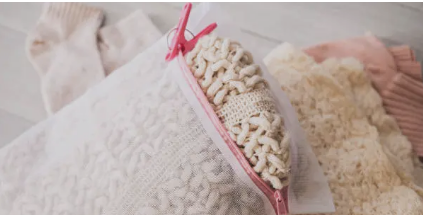
Stockinette bags are an essential consumable in Australia’s meat processing and butchery industries, particularly for producers handling cured meats, ham, and smallgoods. Businesses often search for reliable suppliers of stockinette meat bags that meet food-grade standards, maintain product integrity, and comply with Australian food safety regulations. Choosing the right supplier is not just about cost—it directly affects product presentation, hygiene compliance, and operational efficiency across commercial kitchens, butcher shops, and industrial meat facilities.
This guide explores how Australian businesses can source high-quality stockinette bags, what standards to look for, and how to choose the right type for different meat processing applications.
Understanding Stockinette Bags in the Australian Meat Industry
In Australia’s regulated food production environment, stockinette bags are widely used to shape, hold, and protect meat products during curing, smoking, and storage. These breathable fabric sleeves help maintain product structure while allowing moisture to be controlled and air to circulate.
In most commercial settings, stockinette meat bags are used for:
● Ham and bacon curing
● Rolled roast shaping
● Sausage and smallgoods production
● Hanging meats in cold storage
● Transport protection for processed meats
Their versatility makes them a staple in butcheries across major Australian food production hubs such as Victoria, New South Wales, and Queensland.
Key Features to Look for in Quality Stockinette Bags
When sourcing stockinette bags in Australia, quality differences can significantly impact both food safety and product output. Buyers should focus on several core attributes:
1. Food-Grade Certification
All materials should comply with Australian food safety standards and be suitable for direct or indirect food contact.
2. Breathability and Weave Density
A consistent weave ensures proper airflow, which is essential during curing and drying stages.
3. Strength and Elasticity
Durability matters, especially in high-volume processing environments where stockinette meat bags are used daily under load stress.
4. Washability and Reusability
Some variants are designed for multiple uses, reducing operational costs for medium-scale butcheries.
5. Size Variability
Australian processors often require different diameters depending on product type, from small sausages to large ham cuts.
Australian Supply Chain Considerations for Stockinette Bags
The Australian meat processing industry operates under strict food safety frameworks, including HACCP-based systems. As a result, procurement decisions for consumables like stockinette bags must align with compliance requirements.
Most suppliers servicing Australia provide:
● Bulk commercial packaging for butcher shops
● Industrial rolls for large-scale meat processors
● Custom sizing for specialty cured meat production
Local sourcing is often preferred to reduce lead times and ensure consistent stock availability. Importation is also common, but it requires careful verification of compliance documentation.
Applications Across Australian Butcheries and Meat Processing Plants
Across Australia, stockinette bags play a functional role in both traditional butcher shops and modern processing facilities. Their applications vary depending on production scale:
● Artisan butcheries: Used for handcrafted ham and specialty meats
● Industrial processors: Integrated into automated curing and packaging lines
● Foodservice suppliers: Used for pre-prepared meat products destined for hospitality sectors
● Farm-gate producers: Used in small-scale curing and value-added meat production
In all cases, stockinette meat bags provide structural integrity while allowing controlled moisture loss, which is critical for achieving consistent product quality.
How to Choose the Right Supplier in Australia
Selecting a reliable supplier is a strategic decision for any meat business. Key considerations include:
Product Consistency
Batch-to-batch consistency ensures uniform curing results and reduces product waste.
Compliance Documentation
Suppliers should provide certification confirming food-grade compliance under Australian standards.
Supply Capacity
For larger processors, maintaining a steady bulk supply is crucial to avoid production downtime.
Customisation Options
Some Australian businesses require tailored sizes or specialised weave densities for unique meat products.
When evaluating suppliers, many businesses also compare pricing structures for bulk orders versus ongoing contract supply arrangements.
Efficiency and Cost Management Benefits
Using the right stockinette solution can significantly improve operational efficiency. Properly fitted stockinette bags reduce product deformation, minimise waste during handling, and streamline packaging workflows.
Additionally, purchasing in bulk often reduces per-unit costs, which is particularly important in Australia’s competitive meat processing sector. Many facilities standardise their use of stockinette meat bags to maintain predictable production outputs and consistent product presentation.
Emerging Trends in Meat Processing Materials in Australia
The Australian meat industry is gradually shifting toward more sustainable and efficiency-driven packaging solutions. While traditional stockinette remains widely used, manufacturers are also exploring:
● Recyclable synthetic blends
● Improved biodegradable fibres
● Enhanced elastic retention materials
● Antimicrobial-treated stockinette fabrics
These innovations aim to balance food safety requirements with environmental sustainability goals, which are becoming increasingly important in Australian food production policies.
Final Thoughts
Stockinette bags remain a critical component in Australia’s meat processing and butchery industries. From artisan producers to large-scale processors, selecting the right supply partner ensures consistency, compliance, and product quality.
Businesses that invest in high-grade materials and reliable sourcing channels for stockinette meat bags position themselves for better efficiency and stronger product outcomes. As demand for premium cured meats continues to grow across Australia, the role of dependable stockinette solutions will only become more important in maintaining competitive standards.