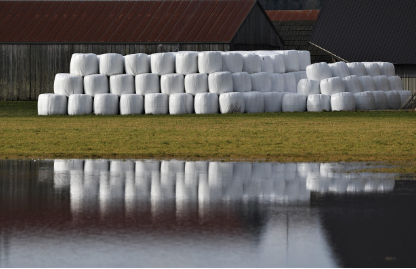
For Australian farmers, preserving forage quality is essential to keep livestock healthy and improve productivity year-round. Investing in agricultural silage wrap is one of the most effective ways to protect valuable feed from harsh weather conditions, oxygen exposure, and spoilage. Whether you’re producing silage in Queensland, Victoria, New South Wales, South Australia, or Western Australia, choosing the right silage wrap can make a significant difference in feed quality, storage efficiency, and overall farm profitability.
Why Silage Wrap Matters for Australian Farms
Australia’s diverse climate presents unique challenges for forage preservation. From scorching summer temperatures to heavy rainfall and fluctuating seasonal conditions, silage must remain protected to retain its nutritional value.
Silage wrap creates an airtight barrier around forage bales, limiting oxygen penetration and encouraging proper fermentation. This process helps preserve moisture, reduce dry matter losses, and maintain the nutritional content livestock require throughout the year.
For beef, dairy, sheep, and mixed farming operations, quality silage supports healthier animals and more consistent production.
Australia’s Climate Demands Durable Silage Wrap
Australian farms often face conditions that put extra stress on wrapped bales. High UV exposure, temperature fluctuations, and rough handling during transport require durable wrapping materials.
A premium silage wrap should provide:
● Excellent UV resistance
● Strong puncture resistance
● Reliable stretch performance
● Consistent cling between film layers
● Long-lasting weather protection
These characteristics help maintain airtight storage even when bales remain outdoors for extended periods.
How Agricultural Silage Wrap Improves Feed Quality
Using high-quality agricultural plastic packaging solution helps protect the fermentation process that preserves forage.
Proper wrapping offers several important benefits:
Reduced Oxygen Exposure
Minimising oxygen is essential for preventing mould growth and unwanted bacterial activity. An airtight seal supports efficient fermentation while reducing spoilage.
Better Nutritional Retention
When silage is properly preserved, valuable nutrients remain available for livestock. This improves feed conversion and herd health.
Lower Dry Matter Losses
Poor-quality wrapping can allow air infiltration, resulting in dry matter losses that reduce the overall value of harvested forage. Effective wrapping helps maximise every bale produced.
Improved Feed Consistency
Well-preserved silage provides more consistent nutrition throughout feeding periods, supporting stable livestock performance across changing seasons.
Choosing the Right Silage Wrap for Australian Conditions
Not all wrapping films perform equally. The right product depends on your farming operation, storage methods, and environmental conditions.
Important factors include:
Film Thickness
Thicker films generally provide greater puncture resistance and improved protection against physical damage.
UV Protection
Australia’s intense sunlight requires films with strong UV stabilisers to maintain performance during long-term storage.
Stretch Performance
High-quality films stretch evenly while maintaining strength, ensuring uniform coverage and reducing the likelihood of weak spots.
Cling Performance
Good cling lets each layer bond tightly with the next, creating an effective oxygen barrier.
Compatibility
Ensure the wrap matches your baling equipment and wrapping machinery for consistent application on every bale.
Best Practices for Wrapping Silage
Even the highest-quality film performs best when combined with proper wrapping techniques.
Wrap Promptly
Wrap fresh bales as soon as possible after baling to minimise oxygen exposure and start fermentation quickly.
Apply Multiple Layers
Most Australian producers use six or more layers depending on storage conditions and forage type. Additional layers offer increased protection against punctures and weather.
Handle Bales Carefully
Avoid damaging wrapped bales during transport or stacking. Small punctures can compromise the airtight seal and reduce silage quality.
Store on Suitable Ground
Place bales on well-drained, level surfaces free from sharp rocks, branches, or debris that may puncture the film.
Common Mistakes That Reduce Silage Quality
Many silage losses stem from preventable mistakes, not the forage itself.
Common issues include:
● Delaying wrapping after baling
● Using insufficient wrap layers
● Selecting low-quality wrapping film
● Storing bales on uneven or rough surfaces
● Ignoring small punctures or tears
● Incorrect wrapper machine settings
Regular equipment maintenance and careful handling can significantly improve storage success.
Environmental Considerations
Australian agriculture continues to adopt more sustainable farming practices, including responsible plastic management.
Many farms now participate in agricultural plastic recycling initiatives that help reduce landfill waste. Proper collection and recycling of used silage wrap support environmental stewardship while contributing to cleaner farming operations.
Selecting durable wrapping products also reduces waste by lowering the likelihood of damaged or failed bales.
Maximising the Return on Every Bale
While premium silage wrap may involve a slightly higher upfront investment, it often delivers better long-term value through improved forage preservation.
Benefits include:
● Reduced feed spoilage
● Higher livestock performance
● Lower replacement feed costs
● Better fermentation outcomes
● Fewer damaged bales
● Improved storage reliability
For Australian farmers facing rising production costs, protecting harvested forage is key to maintaining profitability.
Using reliable agricultural silage wrap throughout the season helps safeguard one of the farm’s most valuable resources—high-quality feed.
Conclusion
Choosing the right silage wrap is an essential decision for Australian farming operations seeking reliable forage preservation. From withstanding Australia’s harsh climate to supporting proper fermentation, high-performance wrapping film helps protect feed quality from harvest through to feeding.
By selecting durable products, following best-practice wrapping techniques, and storing bales correctly, farmers can reduce spoilage, preserve valuable nutrients, and improve overall livestock productivity. Investing in quality agricultural silage wrap is ultimately an investment in better feed, healthier animals, and a more efficient farming operation across Australia’s diverse agricultural regions.