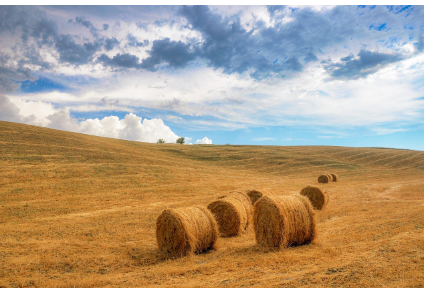
Baler twine is an essential tool for Australian farmers, playing a crucial role in securing hay, straw, and silage bales for storage and transport. Whether you are working in the lush pastures of New South Wales or the drier paddocks of South Australia, selecting the right baler twine can significantly affect the durability and quality of your bales. With the wide variety of twine types available across Australia, understanding the differences in materials, strength, and applications is key to ensuring efficient, cost-effective farming operations.
Understanding Baler Twine Types
In Australia, baler twine is available in two main types: polypropylene and biodegradable. Polypropylene twine is widely used for its high tensile strength, affordability, and moisture resistance, making it suitable for long-term bale storage. On the other hand, biodegradable twine naturally breaks down over time, offering an environmentally friendly option for farmers who prefer sustainable practices. Choosing between these types depends on your farming goals, storage duration, and environmental considerations.
Matching Twine Strength to Your Bale
Twine strength is a critical factor for Australian farmers dealing with different crop types. High-tensile twine is ideal for large square bales or dense round bales, as it provides maximum support without snapping. Medium-strength twine, however, may be sufficient for smaller or less dense bales, offering a balance between performance and cost. Many Australian suppliers provide detailed guidelines on recommended twine strengths for specific crops, such as lucerne, wheat straw, or barley straw, helping farmers prevent bale failure during storage or transport.
Consider the Bale Size and Baling Equipment
Different baling machines require specific twine sizes to operate effectively. Most modern balers in Australia are compatible with 2-ply or 3-ply polypropylene twine, but older models may need alternative sizes. Ensuring compatibility prevents twine jams and reduces downtime during busy harvesting seasons. Additionally, matching the twine length to your machine’s specifications ensures that each bale is securely tied, reducing losses during handling or storage. Consulting with local Australian machinery suppliers can help farmers identify the most suitable twine for their specific baling equipment.
Cost and Availability in Australia
Baler twine prices in Australia vary depending on material, strength, and brand. Polypropylene twine is generally more affordable, with bulk purchases offering significant cost savings for large-scale farms. Biodegradable twine, while slightly more expensive, aligns with sustainable farming practices and may qualify for environmental incentives in certain states. Australian farmers often source twine from regional agricultural supply stores or through online suppliers, ensuring that they have access to quality products year-round. Comparing prices and bulk options can help farmers manage costs without compromising bale quality.
Practical Tips for Using Baler Twine
To maximise efficiency and reduce waste, Australian farmers should follow best practices when using baler twine. Storing twine in a dry, shaded area prevents weakening caused by UV exposure or moisture. Regularly checking twine tension during baling ensures each bale is secure and reduces the risk of snapping. For farms located in coastal regions or areas with high humidity, choosing twine with enhanced weather resistance is particularly important. Following these tips helps maintain bale integrity and ensures that livestock feed or straw is preserved effectively throughout storage.
Environmental Considerations
Sustainability is becoming increasingly important in Australian agriculture. Biodegradable baler twine is an excellent choice for farmers looking to minimise plastic waste and environmental impact. It breaks down naturally over time, reducing the accumulation of synthetic materials in fields. Additionally, using biodegradable twine can support eco-friendly farming certifications, which are gaining traction in local and international markets. Australian farmers can balance performance and sustainability by selecting the right twine type for their operational needs.
Conclusion
Baler twine is more than just a simple farm accessory—it is a critical component of efficient and effective Australian farming. By understanding the different twine types, matching strength to bale size, considering equipment compatibility, and following practical usage tips, farmers can secure their bales reliably while minimising waste and costs. With options ranging from high-tensile polypropylene to environmentally friendly biodegradable twine, Australian farmers have the flexibility to choose solutions that suit both their production and sustainability goals. Investing in the right baler twine ensures that every bale remains intact, supporting farm productivity and profitability across the diverse agricultural landscapes of Australia.