A CCL tear in dogs is a common orthopedic injury that can significantly affect your dog’s mobility and quality of life. The cranial cruciate ligament (CCL) in dogs is similar to the anterior cruciate ligament (ACL) in humans and is crucial for stabilising the knee joint. When this ligament is torn or ruptured, dogs often experience pain, swelling, and lameness. While surgery is often recommended for severe cases, non-surgical treatment options can be effective, especially for mild to moderate tears or for dogs that are not ideal surgical candidates.
In this article, we will explore the best non-surgical treatment options in Portland for managing a cranial cruciate ligament (CCL) tear in dogs, including rest, physical therapy, weight management, and supportive care.
Understanding CCL Tear in Dogs
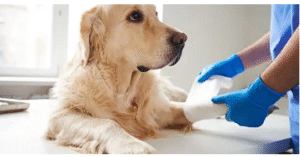 Before diving into treatment, it’s important to understand what a CCL tear in dogs entails. The CCL provides stability to the stifle joint (dog’s knee). When the ligament tears, the joint becomes unstable, leading to inflammation, pain, and difficulty bearing weight on the affected leg. This injury can happen gradually due to ligament degeneration or suddenly due to trauma.
When is Non-Surgical Treatment Appropriate?
Non-surgical management is generally recommended in the following scenarios:
- Partial tears or mild ligament damage
- Small or older dogs with low activity levels
- Dogs with other health conditions that make surgery risky
- Owners who prefer conservative management initially
Your veterinarian will evaluate your dog’s condition through physical exams and imaging (like X-rays) to determine if non-surgical treatment is a viable option.
Non-Surgical Treatment Options for CCL Tear in Dogs
1. Strict Rest and Activity Restriction
One of the most important initial steps in managing a CCL tear in dogs without surgery is strict rest. Limiting your dog’s activity prevents further damage to the ligament and reduces inflammation. It means:
- Avoiding running, jumping, and climbing stairs
- Using a crate or confined space to limit movement
- Short leash walks only for bathroom breaks
Typically, rest is recommended for 6 to 8 weeks; however, follow your veterinarian’s guidance.
2. Weight Management
Maintaining a healthy weight is undeniably critical for dogs recovering from a CCL tear. Excess weight significantly puts additional stress on the injured ligament and the entire joint, slowing down the healing process and increasing pain. A weight loss plan designed by your vet can:
- Reduce pressure on the knee joint
- Improve overall mobility
- Enhance long-term joint health
Feeding a balanced diet and controlling portions will be essential during recovery.
3. Physical Therapy and Controlled Exercise
Physical therapy plays a key role in non-surgical management. Once the initial inflammation decreases, your vet or a certified canine rehabilitation therapist may recommend gentle, controlled exercises to:
- Strengthen the muscles around the knee
- Improve joint stability
- Prevent muscle atrophy
Common therapies include hydrotherapy (using an underwater treadmill), passive range-of-motion exercises, and controlled leash walks. These therapies should always be done under professional supervision to avoid worsening the injury.
4. Anti-Inflammatory Medications and Pain Relief
To effectively manage pain and inflammation significantly associated with a CCL tear in dogs, veterinarians often prescribe non-steroidal anti-inflammatory drugs (NSAIDs). These medications help reduce swelling and improve comfort, enabling your dog to participate more effectively in physical therapy. In some cases, joint supplements, including glucosamine and chondroitin, may be recommended to support cartilage health.
5. Supportive Bracing
Knee braces designed for dogs are becoming increasingly popular as a non-surgical option for managing cranial cruciate ligament (CCL) tears in dogs. These braces provide external support to stabilise the knee joint, reducing pain and improving mobility.
Consult your veterinarian to find the right brace and ensure proper fitting.
Monitoring and Follow-Up
Managing a CCL tear in dogs non-surgically requires careful monitoring and management. Regular veterinary check-ups are essential to:
- Assess healing progress
- Adjust treatment plans
- Monitor for any complications, such as worsening instability or arthritis.
If symptoms persist or worsen despite conservative management, surgery may be reconsidered.
Conclusion
While surgery is often the preferred treatment for a CCL tear in dogs, non-surgical options can provide effective relief and improve quality of life, especially for dogs with mild injuries or special circumstances. Strict rest, weight management, physical therapy, medication, and supportive bracing are all important components of conservative management.
If you suspect your dog has a CCL tear, consult your veterinarian promptly to discuss the best treatment plan tailored to your dog’s specific needs. Early diagnosis and appropriate care can make a significant difference in your dog’s recovery and mobility.