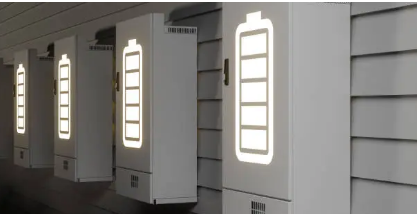
Adelaide homeowners have a unique opportunity to significantly reduce the costs of installing solar battery systems through a combination of federal and local rebates. The federal solar battery rebate, part of the Australian Government’s Cheaper Home Batteries Program, offers substantial financial incentives to encourage the adoption of renewable energy solutions.
When combined with local incentives from the City of Adelaide, residents can achieve considerable savings, making solar battery systems more accessible and cost-effective. With rising electricity costs and increasing interest in sustainable energy, taking advantage of these rebates has never been more relevant.
Understanding the Federal Solar Battery Rebate
Launched to make renewable energy more affordable, the federal solar battery rebate provides households, small businesses, and community organisations with a discount of approximately 30% on the upfront cost of eligible small-scale battery systems. This initiative aims to reduce electricity bills by enabling users to store excess solar energy for use during peak demand periods, decreasing reliance on the grid and enhancing energy resilience.
The federal rebate is designed to make it easier for Australians to invest in home energy storage solutions that complement their solar panels. By capturing and storing the energy generated during the day, households can use it at night or during periods of high electricity rates, thereby maximising self-consumption and lowering overall energy costs. The rebate is available through Clean Energy Council (CEC)-accredited installers, ensuring that installations meet safety and performance standards.
Local Incentives in Adelaide
In addition to the federal rebate, residents within the City of Adelaide can take advantage of local incentives designed to further reduce the cost of solar battery installations. The City of Adelaide’s Sustainability Incentives Scheme offers a battery rebate covering up to 50% of the installation cost, capped at $2,000.
These incentives are available for owner-occupied homes, rental properties, and properties owned by Commonwealth concession card holders, provided the battery system is configured to optimise solar consumption. By combining local and federal rebates, Adelaide homeowners can significantly reduce the upfront cost of a solar battery, making renewable energy solutions more accessible and affordable for a wider audience.
Combining Federal and Local Rebates
By stacking the federal solar battery rebate with the City of Adelaide’s local incentives, homeowners can save significantly on solar battery installations. For instance, a typical 10 kWh battery system that costs $10,000 could see a $3,000 reduction from the federal rebate and an additional $2,000 from the local rebate, resulting in a total cost reduction of nearly half.
This approach not only makes solar battery systems more affordable but also accelerates the payback period, allowing homeowners to enjoy lower energy bills sooner. For larger systems, such as a 20 kWh battery, the combined rebates can yield even greater savings, making the investment highly attractive for households with high energy demands or those seeking greater energy independence.
Eligibility Criteria
To qualify for these rebates, homeowners must meet certain criteria:
Federal Rebate
The battery system must have a usable capacity between 5 kWh and 100 kWh.
It must be installed alongside a new or existing rooftop solar PV system.
The battery and its inverter must be capable of operating as a Virtual Power Plant (VPP) at the time of installation.
A CEC-accredited installer must perform the installation.
City of Adelaide Rebate
The property must be located within the City of Adelaide council area.
The system must be configured to optimise solar consumption.
A qualified installer must carry out the installation.
Meeting these requirements ensures eligibility for maximum rebate savings and compliance with both federal and local programs.
Financial Benefits and Return on Investment
Investing in a solar battery system not only reduces electricity bills but also increases energy independence and contributes to environmental sustainability. With the combined rebates, the payback period for a solar battery system can be significantly shortened. For example, a 10 kWh system could yield annual savings of approximately $1,350, with a payback period of just over 6 years.
Participation in Virtual Power Plant programs further enhances financial benefits. These programs enable homeowners to sell excess energy back to the grid during periods of high demand, generating additional income while contributing to grid stability and reliability. For Adelaide residents, this means that a solar battery system is not just an energy-saving device but also a potential income-generating asset.
Steps to Access Rebates
To access the federal and local rebates, homeowners should follow these steps:
Research and Select a Battery System: Choose a system that meets the eligibility criteria and fits your household’s energy needs.
Engage a CEC-Accredited Installer: Ensure the installer is accredited and familiar with the rebate application process.
Obtain Quotes: Compare multiple installers to find the best combination of price, warranty, and service.
Apply for Rebates: Submit applications for both federal and local rebates to receive the maximum benefits.
Schedule Installation: Upon approval, schedule installation with the chosen installer.
Monitor Benefits: Track energy savings and consider enrolling in VPP programs for additional financial returns.
Conclusion
The combination of the federal solar battery rebate and local incentives in Adelaide offers homeowners a unique opportunity to reduce energy costs, increase energy independence, and invest in sustainable energy solutions. By understanding eligibility requirements and strategically combining these rebates, residents can maximise savings while contributing to a greener future. For Adelaide homeowners seeking to make the most of renewable energy, exploring both federal and local rebates is a crucial first step toward more affordable, efficient, and sustainable energy management.