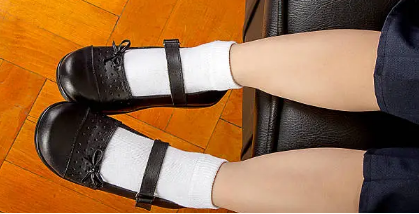
When it comes to school shoes for boys in New Zealand, striking the perfect balance between style, comfort, and compliance with school uniform requirements is essential. Kiwi parents are increasingly seeking shoes that not only meet strict uniform requirements but also keep children comfortable throughout the day and allow them to move freely during school activities. Choosing the right pair of school shoes involves understanding both the formal expectations set by schools and students’ practical needs, including foot support, durability, and suitability for New Zealand’s climate.
Understanding Uniform Requirements in NZ Schools
Most schools in New Zealand require boys to wear plain, polished black leather or leather-look shoes. Commonly approved styles include lace-up or slip-on shoes, with minimal decoration and no bright colours, logos, or casual materials like canvas or suede. These rules ensure that students present a neat and uniform appearance, which is considered an important part of school discipline and pride.
When selecting school shoes, parents should look for:
Plain black leather or leather-look upper.
Minimal or no decoration.
Appropriate sole and heel height, typically low and flat.
Durable construction that withstands daily wear and tear.
Shoes that are easy to clean and polish, maintaining a sharp appearance.
Understanding these requirements ensures that any choice of school shoes complies with New Zealand school regulations while allowing children to feel confident and comfortable.
Recent Trends in Boys’ School Shoes
While compliance is essential, recent trends in boys’ school shoes show that style and comfort no longer need to be sacrificed. New designs focus on creating shoes that are both practical and fashionable. Key trends include:
Hybrid sneaker-dress shoes: These shoes combine the formal look of a dress shoe with the comfort of a sneaker. They often include cushioned insoles, flexible soles, and padded interiors while maintaining a polished, all-black appearance. This trend is particularly popular among older primary and secondary students who require extra comfort during long school days.
Velcro and touch-fastening options: For younger boys, Velcro shoes remain popular because they are easy to put on and take off. It helps children be independent while still adhering to uniform standards.
Durable construction: Modern shoes are designed with reinforced toes, cushioned footbeds, and breathable materials to withstand the active lifestyle of Kiwi children. Durability is crucial given the mix of classroom, playground, and sports activities that shoes endure.
Classic minimalist styling: Many brands now focus on clean, timeless designs that maintain a formal appearance without unnecessary embellishments. It allows students to look smart while still meeting strict school requirements.
These trends indicate that school shoes can now cater to the needs of both parents and children, offering comfort, durability, and style.
Comfort and Fit Considerations
Comfort is a major factor when selecting school shoes, as children wear them for extended periods each day. The following considerations are essential:
Correct sizing: Ensure a thumb-width gap at the front of the shoe for proper fit. Shoes should have enough width to prevent foot compression or rubbing.
Leather vs synthetic: Genuine leather tends to breathe better and moulds to the foot over time, while synthetic options may be stiffer but lower in cost.
Sole construction: A low-profile heel provides a formal look while supporting everyday activities. Flexible yet sturdy soles provide support for walking, running, and standing for extended periods.
Fastening type: Lace-up shoes provide a neat finish and are suitable for older students. Velcro shoes are convenient for younger children and promote independence.
Weight and flexibility: Shoes should be light enough for active movement but rigid enough to retain a polished, smart look.
Ease of maintenance: Shoes that polish easily and clean well are essential for keeping a professional appearance throughout the school year.
Style Options That Meet Practicality
Several school shoes available in New Zealand now combine style, comfort, and compliance. Popular choices include:
Lace-up black leather shoes: Classic, durable, and versatile, suitable for both primary and secondary students.
Velcro leather shoes: Ideal for younger boys who may struggle with laces, providing ease and practicality.
Hybrid trainer-dress shoes: Offering sneaker-like comfort while maintaining a formal appearance, these are excellent for active students.
Reinforced leather shoes: Designed to withstand heavy daily use, providing both protection and a polished finish.
Parents should prioritise shoes that comply with school requirements first, then select a style and fastening type appropriate for their child’s age, while also considering comfort, durability, and overall quality.
Practical Considerations for New Zealand Conditions
New Zealand’s climate and school environments affect what features are practical in school shoes:
Wet-weather resilience: Many regions experience rain and damp conditions, so water-resistant leather and non-slip soles are essential.
Mixed terrain: Shoes should provide support and stability across various surfaces, including concrete walkways, grassy areas, and playgrounds.
Seasonal wear: Shoes should be comfortable in both warmer and cooler weather, with sufficient breathability and foot support.
Growth: Kids grow quickly, so selecting shoes with a slight growth allowance is wise.
Maintenance: Easy-to-clean and polishable shoes help maintain compliance with school appearance standards.
Conclusion
Choosing the right school shoes for boys in New Zealand is about more than just finding a black shoe. Parents must navigate uniform rules, ensure comfort for long school days, and select shoes that are durable and practical for local conditions. By considering style, fit, fastening type, and durability, families can find shoes that help their children feel confident, stay comfortable, and meet school expectations. With the latest trends focusing on hybrid comfort, minimalist style, and long-lasting construction, it has never been easier for Kiwi families to find the ideal school shoes that strike a balance between practicality and style.
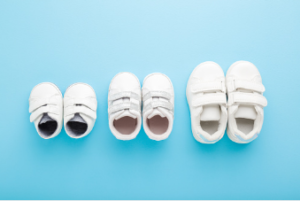 Kids love dressing themselves, and shoes are an easy way to express their individuality. From high-tops for sports to slippers for around the house, there’s sure to be an option that perfectly embodies them – look out for styles with their favourite characters, patterns or colours and ensure it’s easy for them to put them on themselves!