Category: Farming

  • Baler Twine: What is Baler Twine?

    Baler twine is a natural, biodegradable material used to secure bales of hay together and is easily recyclable or biodegraded; additionally, it’s rot-proof and easy to keep tidy – many towns offer collection stations so as to reduce waste disposal in landfills.
    baler twineCompanies began experimenting with manmade baling twine in the 1960s, which featured superior features over sisal and was more suitable for modern baler machines.

    Made from sisal or polypropylene

    BalingTwine baler twine is a string-like cord used to secure large bales of hay or other materials. Historically, baler twine was composed of natural fibbers such as sisal or hemp; today there are various manmade varieties used specifically for baling.

    Polypropylene baler twines are popularly made by man. This material is much stronger than natural sisal, making it better equipped to withstand the elements and resist mildew, rot and rodent infestation. Additionally, some varieties have even been treated to resist mildew, rot and rodent infestation.

    Small baler twine made of synthetic polypropylene is a popular choice among farmers. This twine comes in various colours and sizes, and contains high UV inhibitors to combat premature sunlight degradation. Furthermore, its easy handling makes spooling through balers quick and smooth; softness protects machinery; it ties easily and biodegrades rapidly – all hallmarks of quality twine material.

    Strong

    This baler twine was specially crafted to ensure trouble-free performance in any baler, resist rot, and contain high levels of UV inhibitors. For added peace of mind and avoidance of waste in baler twine boxes, each spool comes shrink-wrapped for waste prevention and has a 110lb tensile strength made of polypropylene material.

    Tensile strength of twine is an integral measure when selecting the appropriate material. It reveals how much force can be sustained before it breaks, providing you with an easy way to identify whether a given twine meets your requirements while also being an indicator as to whether its use will be easy on your hands – high-quality twine will offer conformity and consistent twist.

    Lightweight

    BalingTwine baler twine is much easier to manage when creating a bale, due to its thinner diameter and manageability. Furthermore, its more stable structure provides protection for animals that may get caught up in metal twine, while traditional metal ties contain sharp edges which could harm livestock or farm equipment.

    This poly baler twine features a 130 lb tensile strength and is UV treated to resist mildew, rot, and moisture damage. Furthermore, it knots easily without becoming brittle allowing consistent baling across different colours without becoming biodegradable – plus comes packaged on two reels which total 9000 feet!

    Easy to handle

    Quality baler twine is essential to getting optimal results from state-of-the-art baling equipment. To do so, it should possess the appropriate density and uniformity, making for smooth baling operation as well as visibility for easy identification purposes. Furthermore, its rot and mildew resistance should prolong its service.

    Not just limited to baling hay, balers can also be used for other items like newspapers and recyclables like cardboard and rags. Twine is easier to work with and tie than baling wire; plus, it is biodegradable and reusable – creating extra revenue streams while helping the environment! Horse ranchers have even created programs dedicated to recycling twine, helping reduce wasteful production in our world!

    Durable

    Twine can be an indispensable tool on farms, from tying up bales to any of its numerous uses such as hanging up clothes. But it should be remembered that it can also be one of the most dangerous substances found there; all loose twine should be removed promptly from all spaces on a farm to ensure everyone’s safety.

    Quality balingTwine baler twine should be durable and weather-proof, resistant to UV rays, with good knotting abilities that fit easily in baling machines. When purchasing baler twine it’s also important to inquire about its guaranteed feet per carton count.
  • Silage Wrap Australia: NetWrap – Emerging Trends in Silage Packaging

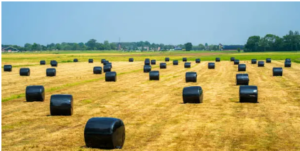
    A quality silage plastic wrap can preserve round bales and prevent spoilage, reducing waste. It also allows for easier handling, transportation, and storage without compromising the bale’s nutritional value.

    A medium-sized dairy farm recently shifted from traditional twine to net wrap and experienced immediate bale preservation and storage improvements. The result was healthier sheep with increased milk production, highlighting the vital link between forage quality and animal health. For quality silage wrap Australia, check out NetWrap silage wrap Australia now.

    Eco-Net Bale Net

    silage wrap AustraliaAs the global demand for sustainable agricultural practices continues to rise, emerging trends are opening up new opportunities in the market for bale net wrap. These innovations can potentially change the future of agriculture by delivering an effective packaging solution that supports responsible environmental practices.
    Unipak is committed to reducing plastic waste and has recently launched a groundbreaking sustainable net wrap for round silage bales. This innovative product is made of recycled HDPE resins and explicitly designed for use with round baling machinery. The resulting product meets all the industry’s most demanding standards, including length and high-tensile strength.

    PowerNet is a high-quality all-around net wrap compatible with broad baling equipment. It is available in either polyethylene or a high-tensile polyester construction and has excellent tear resistance and UV stabilization. This net wrap significantly reduces bale losses and waste by creating an efficient barrier against harsh weather elements, preserving the nutritional value of the hay forage.

    Silage Wrap Film

    Silage wrap film is a thicker, more durable alternative to net wrap. It’s processed with UV stabilizers, which protect it from breaking down or deteriorating quickly in the sun’s harsh rays. Like net wrap, silage film is typically added with a material that prevents it from absorbing water, which could lead to mould growth on the bales.

    It is more expensive than net wrap, but it offers improved feed quality and a longer storage life for your bales. It’s also easier to handle and stack. Choosing a high-quality film that can resist tearing is essential, as this will ensure the integrity of your bales.

    PS PowerFilm caters for the newer generation of combi “film on film” wrappers, specifically designed to fit round and square balers. Its five-layer design delivers optimum performance on all wrapping machines and features excellent resistance to tearing, providing the best possible ensiling results and the highest forage quality.

    Baling Twine

    The type of binding material used to wrap a hay or silage bale should be based on several factors, including forage quality feeding plans and storage location (indoors or outdoors). A netwrap system may cost more than twine, but according to an ASABE study, handling and storage losses are reduced by 65 per cent compared to twine.

    Bales wrapped with twine are susceptible to ice build-up, making them difficult to handle during the winter. The binding can also be challenging to remove before grinding the bales for winter feed, which is time-consuming and labour-intensive. For quality silage wrap Australia, check out NetWrap silage wrap Australia now.

    In contrast, a net wrap only requires three turns to wrap the bale properly. It also has warning marks at the end of the roll to warn users of its back, which is an important safety feature. Consequently, net wraps are becoming increasingly popular with producers. They are easy to use and offer several benefits, which include faster baling and less dry matter loss.

    Silage Cover

    Preparing silage is costly, and getting the best returns from your investment can be difficult. It requires hiring contractors, mowing at just the right time and is often at the mercy of the weather. It is why it’s essential to choose a high-quality net wrap that helps you get the most out of your forage harvest.

    Net wraps help preserve forage quality for extended periods, making them ideal for livestock farm owners looking to maximize nutrient yields. The net wrap’s oxygen barrier protects the ensiled forage from spoilage and leaching, while its high resistance to tearing and puncture keeps the bale intact.

    The dual-coloured film features white on the outer layer, which helps deflect heat from the ensiled plant matter. It creates an anaerobic environment for maximum fermentation and nutrient preservation. The black underside prevents light transfer, which is essential for reducing energy loss and ensuring high-quality silage.

  • How to Use Baler Twine to Get the Most Out of Your Baler Machines

    There are many baling machines, including those used to compact waste, hay, and newspapers. These machines require specific types of twine for different purposes. The twine can come in various colours, strengths, and materials and is used for many different applications. This article will discuss the different materials used to make baler twine. Further, you will learn how to use it to get the most out of your baling machines.

    baler twineThe twine used in baler machines is usually polypropylene. It can be dyed to match the bale’s colour or be UV protected, which prevents the twine from deteriorating prematurely. To make baler twine, raw materials are heated in an extruder, which flows through a flat head to form a sheet of PP. The weight of the wine depends on the type of baler being used.

    Solar-degradable twine combines the benefits of sisal and synthetic twine. It takes 20-30 turns to wrap a bale, but the longer it stays in storage, the more money you’ll save. Twine for balers usually costs 50 cents per bale, so the money you save on it will be offset by the time it takes to wrap a bale. That’s why solar-degradable twine is a good alternative for your baling operation.

    A manufacturer such as Asia Dragon Cordage produces the best quality baler twine. It is 100% PP plastic and manufactured using modern technologies. It is durable, anti-UV has rich colours, and holds up over time. It is used in advanced agriculture countries but is not common in Vietnam. As a result, many organizations have started to collect straws after harvest season. Despite being a convenient option for farmers, the baler twine can cause many problems when used improperly.

    Initially, baler twine made of sisal was the only option. However, it was necessary to look for more durable materials as time went on. As a result, polypropylene was the first manmade material used in twine. It is better at enduring the elements than sisal. Additionally, polypropylene is environmentally friendly and helps save on capital. Despite this, many more manmade fibres are now used in baler twine.

    The strength of baling twine varies according to the machine used and the amount of hay packed. This is measured by knot strength, which is usually in the range of 110-500. For light-weight bales, smaller knot strengths work best. Another important number to note is the tensile strength or the force it takes to break a knot. However, this number is largely irrelevant since knot strength depends on how much hay is packed into the baler.

    While baler twine is most commonly used in agriculture, it can also be used in various other tasks, including packaging. Among its many uses, it can be used for a clothesline, a gift, a doormat, or other creative projects. The possibilities are endless! There is no limit to the creative uses of baler twine. Once you discover them, you may be surprised at how useful they can be.

    You should plan for winter hay for optimal results before the summer months are over. As you go through your hay-binding materials, you should look at the types of fibre you are using. While many types of twine can be used to wrap straw, others may only be compatible with plastic twine. Twine for your baler can be made from sisal or biodegradable twine. The material can degrade before the bale is moved, so it’s worth looking into them before buying any twine.

    The four Corners Back Country Horsemen, located in Colorado, recently started a program for baler twine recycling. For two years, the organization didn’t recycle the twine, but they announced a collection centre in the spring of 2017. The Four Corners Back Country Horsemen also use twine to tie hay bales together and then cut them off. Hopefully, this service will continue indefinitely. So if you use baler twine, make sure you recycle it!

    A manufacturer such as Asia Dragon Cordage produces the best quality baler twine. It is 100% PP plastic and manufactured using modern technologies. It is durable, anti-UV has rich colours and holds up over time. It is used in advanced agriculture countries but is not common in Vietnam. As a result, many organizations have started to collect straws after harvest season. Despite being a convenient option for farmers, the baler twine can cause many problems when used improperly.

    Solar-degradable twine combines the benefits of sisal and synthetic twine. It takes 20-30 turns to wrap a bale, but the longer it stays in storage, the more money you’ll save. Twine for balers usually costs 50 cents per bale, so the money you save on it will be offset by the time it takes to wrap a bale. That’s why solar-degradable twine is a good alternative for your baling operation.