Category: Business

  • Die Cut: How Die-Cut Labels Are Revolutionising Branding for New Zealand Businesses

    In the competitive landscape of New Zealand’s business environment, standing out is crucial. One powerful yet often underestimated tool helping local companies achieve this is the die cut labels. These uniquely shaped, custom-cut labels are transforming branding strategies across diverse industries, from food and beverage to retail and manufacturing. This article explores how die-cut labels are revolutionising branding for New Zealand businesses and why they are becoming an essential element in marketing and product presentation.

    What Are Die-Cut Labels?
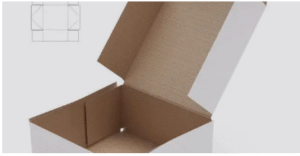
    die cut labelsDie-cut labels are labels cut into custom shapes using a die, a specialised tool that presses into the material to create specific contours and designs. Unlike standard rectangular or circular labels, die-cut labels offer unparalleled design freedom. They can be shaped to perfectly match a brand’s logo, product shape, or any creative outline, giving products a distinctive look that captures customer attention instantly.

    Enhancing Brand Identity with Custom Shapes

    One of the primary ways die-cut labels revolutionise branding is through their ability to create a visual identity that is immediately recognisable. A label in a standard shape can easily blend in with countless others on the shelves, but a die-cut label breaks that monotony.

    For example, New Zealand wineries have adopted die-cut labels shaped like a kiwi bird or the iconic silver fern. This unique silhouette aligns perfectly with the country’s culture and heritage, giving the product an authentic local appeal. Such labels don’t just identify the brand—they tell a story.

    Improving Shelf Impact and Consumer Engagement

    In retail, shelf impact is king. With thousands of products competing for attention, grabbing consumer interest quickly can make all the difference. Die-cut labels help New Zealand businesses achieve this by creating packaging that stands out visually and tactilely.

    These labels can be designed with intricate edges, playful curves, or even interactive features that invite customers to touch and explore. This sensory engagement is critical in physical retail settings, where consumers often make purchasing decisions based on first impressions.

    Moreover, die-cut labels allow brands to incorporate bold, vibrant designs that complement their packaging. The ability to print on unusual shapes enables brands to maximise space creatively, presenting logos, taglines, and product information in an eye-catching format that facilitates quick comprehension.

    Versatility Across Industries

    Die-cut labels are not limited to one type of product or sector. Their versatility makes them invaluable across a broad range of New Zealand industries:

    • Food and Beverage: Craft breweries use die-cut labels to differentiate limited edition beers. Boutique coffee roasters create labels shaped like coffee beans or cups, reinforcing their product’s specialty nature.
    • Cosmetics and Skincare: Brands emphasise elegance and sophistication by using die-cut labels that fit uniquely designed bottles and jars, enhancing the perceived value of their products.
    • Agricultural Products: Labels in organic farming and produce sectors often reflect natural elements like leaves or fruits, appealing to consumers seeking authenticity and sustainability.
    • Industrial and Manufacturing: Even in more technical sectors, die-cut labels are used for branding machinery or specialised equipment, providing durable and attractive identification solutions.

    The flexibility in materials, shapes, and finishes allows businesses to tailor die-cut labels to any product type, size, or packaging format, making them a versatile branding asset.

    Cost-Effective Branding Solutions

    While the idea of custom-shaped labels might seem expensive, modern production techniques and digital printing have made die-cut labels more accessible for New Zealand businesses of all sizes. Small to medium enterprises (SMEs) can now enjoy the benefits of bespoke labelling without the high costs traditionally associated with custom packaging.

    Sustainability and Eco-Friendly Options

    Sustainability is a growing priority for New Zealand businesses, and die-cut labels are keeping pace with this trend. Many label manufacturers offer eco-friendly options, such as recyclable or biodegradable materials and soy-based inks, enabling brands to maintain their commitment to environmental responsibility while still enjoying premium branding.

    Conclusion:

    Die cut labels are much more than decorative packaging elements; they are strategic branding tools that help New Zealand businesses carve out their identity in crowded markets. By offering unique shapes, enhanced shelf impact, industry versatility, cost-effectiveness, and eco-friendly options, die-cut labels provide a powerful way to elevate brand presence and customer connection.

    As the demand for distinctive, authentic, and sustainable products continues to grow, New Zealand companies that adopt die-cut labels will enjoy a competitive edge, making this packaging solution an indispensable part of their branding arsenal.
  • Siemens PLC: Harnessing Siemens PLC for Small Business Growth

    In the ever-evolving landscape of automation and industrial control, Siemens PLC has become a trusted solution for forward-thinking entrepreneurs and operations managers across New Zealand, particularly for small businesses. Once perceived as a technology reserved for large-scale factories and global manufacturers, Siemens PLC for small businesses operate, improve efficiency, and scale sustainably.

    What Is Siemens PLC and Why Does It Matter

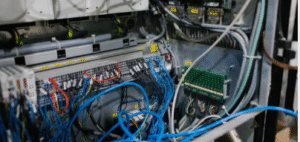
    Siemens PLC for small businessA Siemens PLC (Programmable Logic Controller) is a digital computer used for automating electromechanical processes, such as controlling machinery on factory assembly lines, amusement rides, or lighting fixtures. What sets Siemens apart is its long-standing reputation for reliability, innovation, and integration capabilities across industrial platforms.
    For small businesses in New Zealand, Siemens PLC offers a powerful tool to automate processes without requiring a massive budget or infrastructure. Whether in food production, craft brewing, packaging, or bespoke manufacturing, these compact controllers can optimise productivity while reducing error rates and operational costs.

    The Growing Role of Siemens PLC in New Zealand’s SME Sector

    New Zealand’s small and medium-sized enterprises (SMEs) are increasingly adopting automation technologies to remain competitive in global and local markets. Siemens PLC for small businesses has emerged as a strategic investment that aligns with these goals. From the Waikato region’s agritech ventures to Auckland’s growing manufacturing startups, these controllers enable real-time data acquisition, intelligent decision-making, and scalable system control.

    Many New Zealand SMEs are already reaping the benefits of flexible automation using Siemens’ SIMATIC series PLCs. These compact devices can handle multiple inputs and outputs, integrate with cloud platforms, and support remote diagnostics—essential capabilities for businesses seeking to modernise without overhauling their entire infrastructure.

    Key Benefits of Siemens PLC for Small Businesses

    Cost-Efficient Automation

    One of the most appealing advantages of Siemens PLC for small businesses is its cost-effectiveness. Small enterprises often face budget constraints that prevent them from investing in high-end automation. Siemens PLCs, particularly the S7-1200 series, provide an accessible entry point with scalability options. It means businesses can start small and expand their control systems as needed without replacing existing infrastructure.

    Reliability and Durability

    Designed for industrial-grade environments, Siemens PLCs offer exceptional durability and operational reliability. For New Zealand businesses operating in rural or harsh conditions—such as dairy farms, fishing operations, or timber mills—this resilience ensures uninterrupted performance and peace of mind.

    Flexibility and Modular Design

    Siemens PLCs are modular, allowing businesses to add new modules or communication protocols as their needs grow. For example, a small brewery in Dunedin might start with a basic temperature control setup and later integrate flow control, batching, and cleaning processes—all managed by the same programmable logic controller (PLC) system.

    Enhanced Productivity Through Automation

    Automation is no longer just a luxury; it has become a necessity. Siemens PLC for small businesses empowers owners and managers to automate repetitive and error-prone tasks, freeing up staff for higher-value roles. This shift increases throughput, consistency, and customer satisfaction.

    Integration with IoT and Industry 4.0 Technologies

    Siemens PLCs are compatible with the latest Industry 4.0 innovations, including Industrial Internet of Things (IIoT) devices and cloud-based analytics. This integration provides small businesses with access to data-driven insights that were previously available only to large corporations. For instance, a greenhouse in Christchurch can utilise Siemens PLC to monitor temperature, humidity, and CO₂ levels in real time, enabling precise climate control and optimal crop yields.

    Popular Siemens PLC Models for Small Businesses

    While Siemens offers a broad range of PLCs, some models are especially suited for small business environments:

    • SIMATIC S7-1200: Ideal for compact automation systems with high performance, scalability, and built-in communication protocols such as PROFINET.
    • LOGO! Series: Tailored for micro-automation projects, this series is perfect for homegrown businesses that need intelligent control without complexity.
    • SIMATIC ET 200SP: Great for distributed automation applications, offering space-saving design and modular flexibility.

    Each of these models provides the backbone for intelligent automation, ensuring that Siemens PLC for small businesses continues to meet the evolving needs of New Zealand’s diverse SME sector.

    Conclusion:

    Siemens PLC for small businesses is not just a piece of industrial equipment—it’s a gateway to smarter operations, reduced costs, and scalable growth. As New Zealand’s SMEs continue to adapt to global trends, embracing automation through trusted solutions like Siemens will be key to staying competitive and future-ready.

  • Coolroom Hire – A Convenient Way to Keep Your Food and Drinks Cold

    Coolroom rental is an effective and cost-efficient solution to keeping food and drinks cold and refreshingly refreshing. They’re easy to transport while offering convenient features like multiple sizes and styles.

    Before renting a cool room, carefully consider its length of use and purpose to determine what size would best meet your needs.

    Portable

    www.jcmcoolrooms.com.au cool room hire AdelaideCool room rental from www.jcmcoolrooms.com.au cool room hire Adelaide can provide an efficient way to store food and drinks at a consistent temperature while protecting them from Australia’s hot summer weather. When selecting the ideal coolroom size for you needs, be sure to measure what items will be stored within it before selecting a model with slightly larger capacity than is needed.

    Additionally, it’s wise to insure your trailer against theft. Most professional refrigerated transport services offer various security measures to protect their vehicle, such as rim clamps and padlocks that will deter thieves from making away with it.

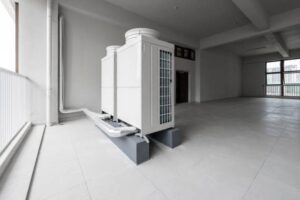
    Portable Coolroom Rental is an ideal solution for events, fetes, farmers markets, private functions and any business needing temporary refrigeration. All cool rooms are sanitised to meet Australian safety standards and available both short- and long-term rentals on demand.

    Easy to transport

    Portable cool rooms provide an effective means of storing food, drinks and other perishables until they’re time to be consumed. Convenient and simple to transport, portable cooler rooms can be utilised anywhere from marquees to street food stalls – making it the ideal solution for catering events, festivals or anywhere perishables must be stored at optimal temperatures for optimal preservation.

    Most cool rooms are mounted on trailers for ease of transportation and use, making them easier to transport and set up in their intended locations. Furthermore, these trailers often come equipped with security measures like padlocks and rim clamps to deter theft of their contents.

    Moovit is the simple way to navigate any journey, providing step-by-step directions for any trip such as www.jcmcoolrooms.com.au cool room hire Adelaide. Working with all major transit services in your city – Bus, Train and Tram – you can view schedules, routes, timetables and arrival times in real-time. Furthermore, car travellers can utilize Moovit’s road trip planner tool, which will assist them in finding available parking near their destination.

    Cost-effective

    Mobile coolrooms provide an economical and portable way to store products at the ideal temperature. They are an invaluable asset to restaurants, food trucks, wedding caterers, festival food stalls or any business needing cold storage solutions. The easy setup provides ample space for product inventory. These mobile units can even be easily transported between events.

    A good refrigeration transport company should provide competitive prices, adequate insurance, maintenance rates, and safety features like padlocks and rim clamps to prevent theft while helping you track its location. They may even include lockable power inlets to safeguard against tampering with power sources.

    Mobile coolroom rental companies typically provide a variety of sizes and styles to meet each client’s unique requirements. Some features may include doors on all four sides for walk-in access; others are accessible by ramp, with accessories like cooler tables or even generators included with some units. When used for catering purposes, it is wise to invest in units equipped with door locks to prevent theft and reduce electricity costs.

    Cool rooms constructed using quality parts and materials tend to be more efficient. The best ones feature heavy-duty insulation panels, sturdy flooring, and quality fittings; they’re easy to maintain and keep clean!

    Your online search can bring up many affordable mobile coolroom rentals that fit your needs. Yet, it is crucial that you select an established brand with extensive knowledge in transporting and caring for these units like www.jcmcoolrooms.com.au cool room hire Adelaide. Doing this will ensure you receive a high-quality mobile coolroom at a fair price; additionally, search for companies offering free delivery and installation.

    Easy to maintain

    When planning an outdoor event, using a mobile coolroom is an ideal way to keep perishable food and drinks chilled for extended periods – saving money and time! Plus, they are easily transportable and maintained; making them an economical solution that’s ideal for hosting any kind of special occasion, be it weddings, parties, community socials or sporting competitions.

    When selecting a mobile coolroom, take into account both your goods and how long you need it for. If it will be used over an extended period, select a larger unit to meet your storage needs. Furthermore, look for units equipped with digital temperature controls and lockable door handles to reduce theft risk; check if the hire company provides other safety measures like rim clamps and GPS tracking.

    Cool rooms are essential to the operation of any catering business, ensuring food and beverages are stored at appropriate temperatures. But malfunctioning cool rooms can lead to food spoilage and revenue losses if something unexpected arises – one way of providing protection should something go awry is renting portable cold storage from an established coolroom rental provider.

    A reliable mobile coolroom hire company will offer a well-kept trailer with all the essential accessories. Additionally, they will offer competitive rental pricing and can recommend which coolroom size best meets your budget and requirements.

    Mobile coolrooms from www.jcmcoolrooms.com.au cool room hire Adelaide can be an invaluable asset to any catering or hospitality business, helping meet cooling and refrigeration needs on short notice without investing in an expensive permanent facility. A reliable coolroom can also serve wedding caterers or food businesses that need temporary product storage solutions.