Australia’s healthcare system is facing unprecedented challenges, including rising patient demands, complex regulatory environments, and increasing cost pressures. In this landscape, health management consulting has emerged as a critical driver for innovation and improvement. By leveraging expert guidance, data-driven insights, and strategic frameworks, health management consulting is transforming the way healthcare providers deliver care—ultimately enhancing patient outcomes and operational efficiency.
The Growing Importance of Health Management Consulting in Australia
 Australia’s healthcare system is renowned for its quality, but it is not immune to systemic issues such as resource constraints, fragmented care, and inefficiencies. Health management consulting firms bring specialised expertise to tackle these challenges, guiding hospitals, clinics, and government health agencies in optimising their performance.
Health management consulting focuses on aligning clinical excellence with sound business practices. Consultants help healthcare organisations identify inefficiencies, redesign workflows, implement innovative technologies, and ensure compliance with evolving regulations. This holistic approach enables providers to meet both clinical and financial objectives.
Enhancing Patient Outcomes Through Data-Driven Decision Making
One of the key contributions of health management consulting is the implementation of data analytics to inform clinical and operational decisions. Australia’s health sector generates vast amounts of data—from electronic health records (EHR) to patient feedback and clinical trial results. Health management consultants harness this data to identify patterns, predict patient risks, and customise treatment plans.
By applying predictive analytics, hospitals can proactively manage chronic diseases, reduce hospital readmissions, and improve care coordination. For example, consultants may design risk stratification models that flag high-risk patients for targeted interventions, ultimately improving recovery rates and lowering costs.
Furthermore, data-driven strategies enable health providers to measure clinical outcomes more accurately, supporting continuous quality improvement initiatives. This feedback loop fosters accountability and drives better patient-centred care.
Streamlining Healthcare Operations for Greater Efficiency
Operational inefficiencies are a significant concern in Australian healthcare, where administrative burdens and workflow bottlenecks often divert resources from patient care. Health management consulting addresses these issues by conducting thorough operational assessments and recommending process improvements to enhance efficiency and effectiveness.
Consultants analyse staffing models, supply chain logistics, appointment scheduling, and resource allocation to uncover inefficiencies. Lean management principles and Six Sigma methodologies are commonly employed to streamline workflows, minimise waste, and optimise resource utilisation.
For example, by redesigning patient intake processes or automating routine administrative tasks, healthcare organisations can reduce wait times and enhance staff productivity. It not only enhances the patient experience but also helps providers manage rising demand without proportionally increasing costs.
Driving Digital Transformation in Healthcare Delivery
Digital health technologies are revolutionising healthcare worldwide, and Australia is no exception. Health management consulting plays a pivotal role in guiding the adoption of electronic health records, telemedicine, remote monitoring, and AI-powered diagnostic tools.
Consultants assist organisations in developing digital strategies that align with their clinical objectives and infrastructure capabilities. They also support the integration of disparate IT systems to create seamless information flows, which are essential for coordinated care.
Telehealth, for instance, has seen accelerated uptake in Australia, especially in rural and remote areas. Health management consulting ensures these services are efficiently implemented, clinically effective, and compliant with privacy standards. By enabling timely access to care and specialist consultations, digital transformation improves health equity and patient satisfaction.
Navigating Regulatory Compliance and Risk Management
The Australian healthcare sector is governed by complex regulations designed to protect patients and ensure the delivery of high-quality care. Compliance requirements cover patient safety, privacy, clinical governance, and reporting standards. Non-compliance can result in hefty fines, reputational damage, and compromised care quality.
Health management consulting helps healthcare providers stay ahead of regulatory changes by conducting compliance audits, developing risk management frameworks, and delivering staff training programs. Consultants also assist in preparing for accreditation processes and managing incident reporting systems.
Proactive risk management reduces adverse events and enhances patient safety culture, which are critical components of sustainable healthcare delivery.
Conclusion:
In an era of increasing complexity and expectations, health management consulting has become indispensable to Australia’s healthcare system. Through data-driven insights, operational efficiency improvements, digital transformation, regulatory expertise, and collaborative care design, consultants empower healthcare providers to deliver safer, more effective, and patient-centred services.
The transformation driven by health management consulting not only improves individual patient outcomes but also strengthens the sustainability and resilience of the entire healthcare ecosystem.
 The Adelaide Hills is a region renowned for its natural beauty, characterised by eucalyptus forests, undulating terrain, and cooler temperatures compared to the Adelaide Plains. However, the very features that make the area attractive also pose certain risks. Trees can become unstable due to:
 Amarok wreckers are businesses or facilities that specialise in dismantling and salvaging Volkswagen Amarok models to recycle their parts and components. These wreckers purchase end-of-life Amarok vehicles from individuals, insurance companies, and auto dealers. After carefully dismantling the vehicles, they resell usable parts, such as engines, transmissions, suspension systems, electrical components, and body panels.
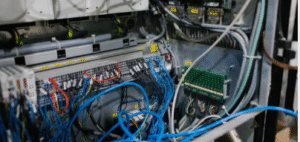 A Siemens PLC (Programmable Logic Controller) is a digital computer used for
  Gone are the days when laundry meant hours of soaking, scrubbing, drying, and ironing. Today, laundry services in Adelaide have evolved into highly efficient, tech-enabled operations that cater to both domestic and commercial clients. These services offer a wide array of solutions, ranging from basic wash and fold to specialised treatments for delicate fabrics, dry cleaning, linen management, and eco-friendly washing options.
 In a commercial setting, carpets are subjected to high foot traffic, spills, dirt, allergens, and bacteria. Over time, this not only causes the carpet to look worn and discoloured but can also lead to hygiene issues and poor air quality. Regular vacuuming may help remove surface dirt, but it’s not enough to maintain the deep cleanliness required in professional spaces.
 Electrical fitouts go beyond basic wiring—they involve a strategic approach to power distribution, lighting design, data cabling, switchboard installation, and compliance with national standards. An electrical fitouts expert in Adelaide will offer end-to-end services tailored to the specific needs of your property, whether it’s a newly constructed building or a renovation project.